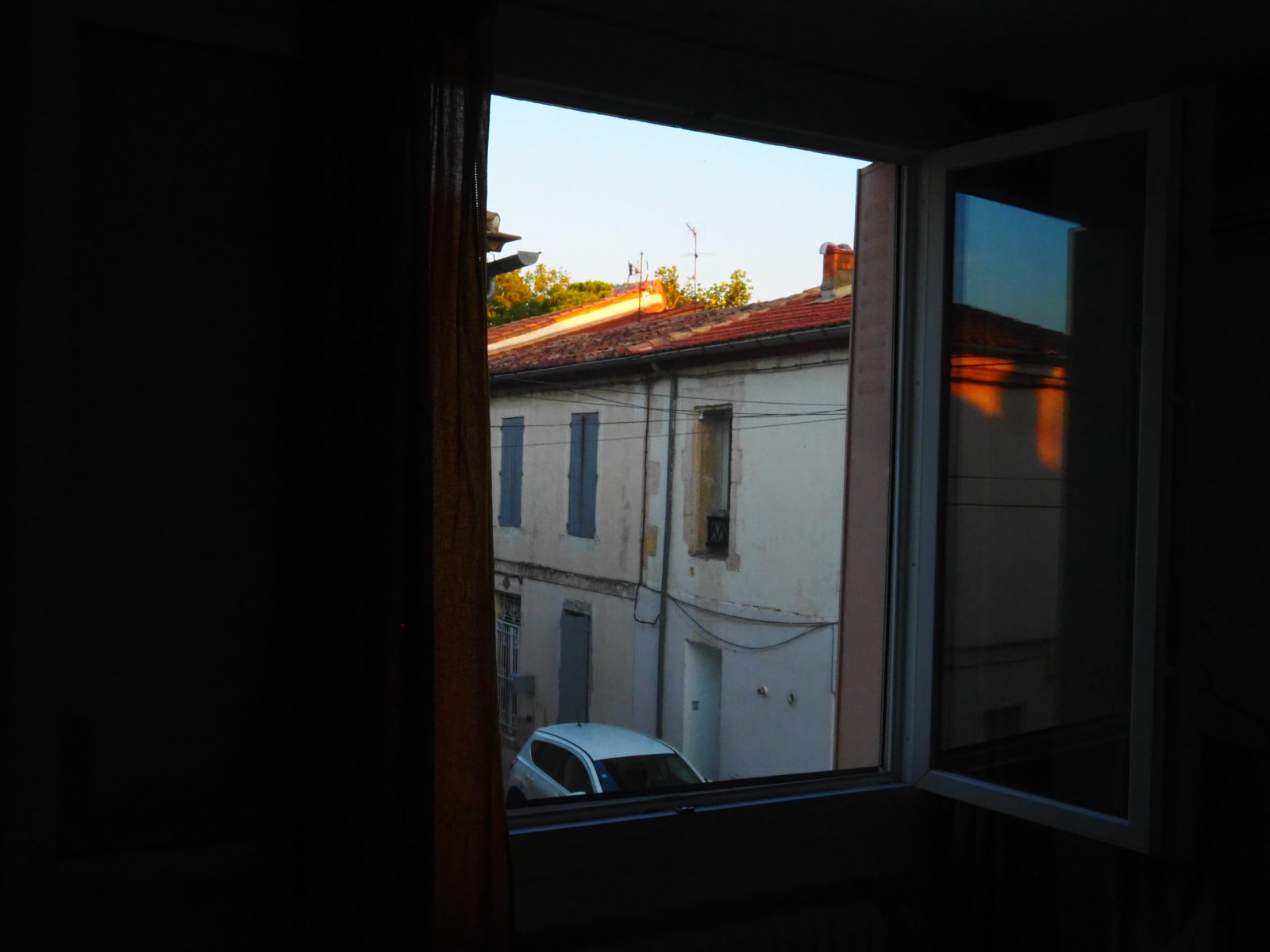
Arles Diary, part 5
On awkward moments, sunset, nostalgia, the patina of texture, kitsch&comebacks
Have the photographs presented in Provoke been able to revive language in the end? Regrettably, my answer to this question would have to be rather negative.
— Takuma Nakahira, Has Photography Been Able to Provoke Language?
That was 1970, when Nakahira already denounced the are, bure, bokeh-movement he helped start with his Provoke-magazine: For him, it had stopped being a language and started becoming a mere fashion choice. "Texture" was all over Arles' projects: It came as an artificial patina, the inevitable family archives and their softening mildew of faded emulsions, the painting on the negative as the ever-present "kilroy was here" of the artist; the re-invocation of the Xerox-machine in Aaron Stern/David Campany's Hard Copy - the original exhibition at ICP from May this year was restaged in a tiny copy shop: What started out as a technical and economical necessity in the 70s, then became somewhat of an outsider/anarchistic marker has now devolved into a mere quote - a copy of a copy of a copy, the analogue expression of AI slop. I am usually David Campany's biggest fan-boy, but here he lost me: Is that already a declaration of bankruptcy, as it is no longer required to make new pictures, we're now satisfied with what we already have, thank you very much...
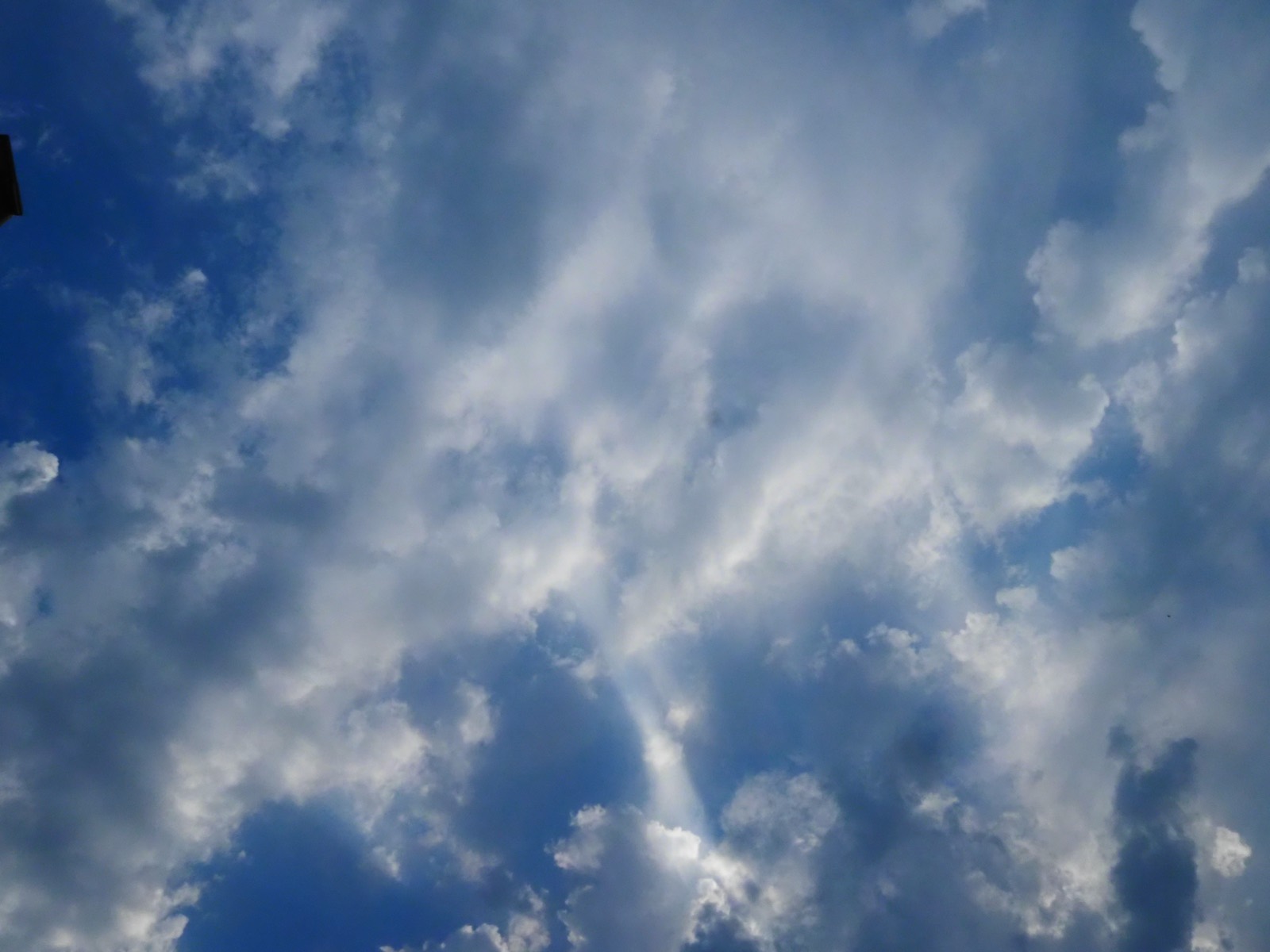
There were awkward moments: Meeting people from Ostkreuz that I did not want to meet anymore and vice versa; the usual "we'll talk later", although everybody knows that no-one has an intention to talk later; a curator angling for some free technical work; photographers angling for some leverage over a curator, talking & gesturing furiously while he is trying to escape on crutches - I am very bad at dealing with this kind of awkwardness at these shows: Everybody seems to get along great fantastic what a joy to talk to be alive to photograph hahaha, while I hold on to my beer in a corner. That is the game: Pretending to have a good time while checking out the room for celebrities you could leech onto. These festivals have a strict hierarchy, you are angling for the attention of the gatekeepers, the gatekeepers are trying to hold on to the photographic celebrities, everybody is pretending to have a good time. Attention is a scarce resource. The never ending sun just watches uninterested until all of it is burned away.
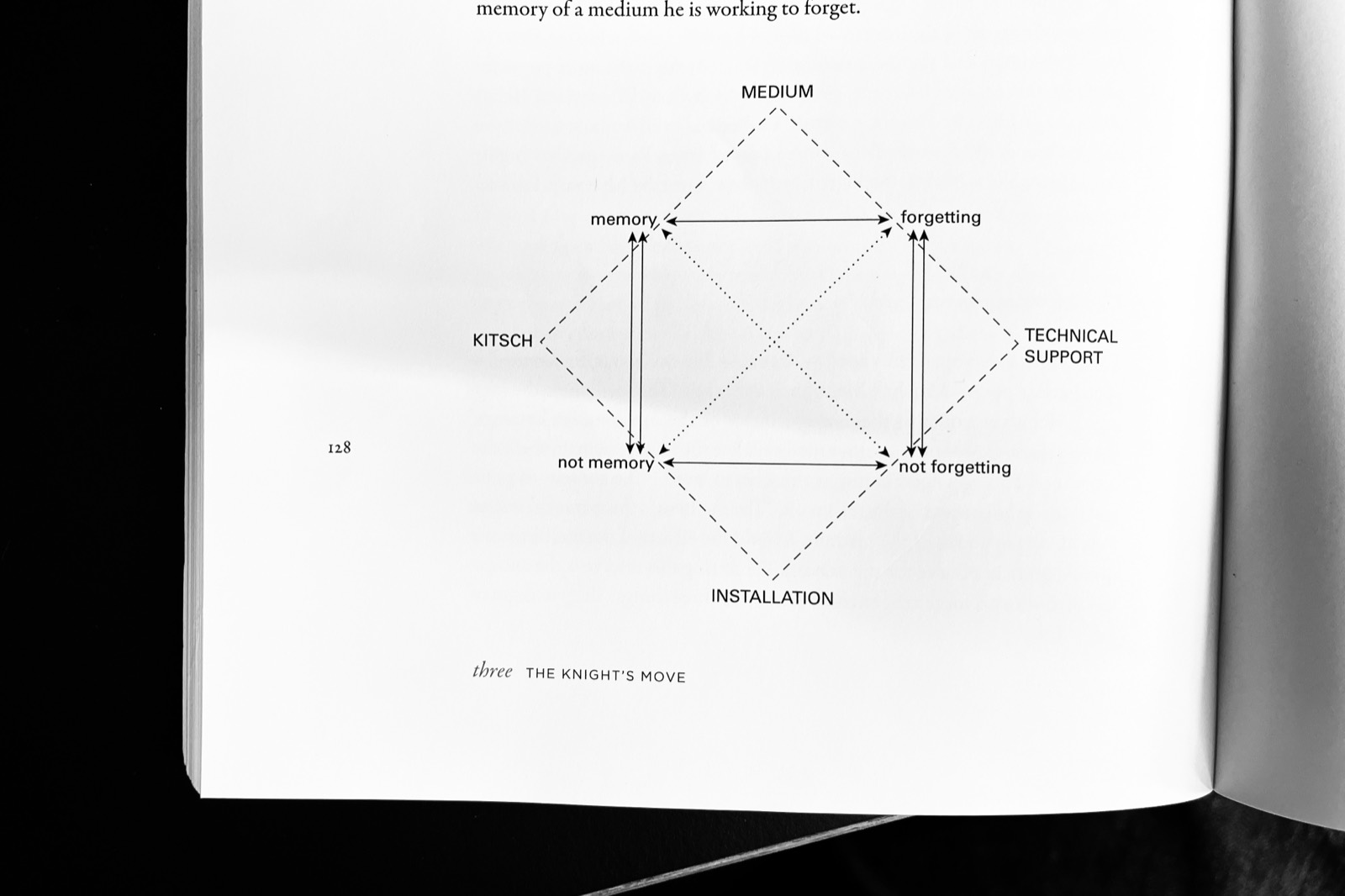
Rosalind Krauss defined "Kitsch" as something between Memory and Not-Memory: Something, that is not really your own. This strips Kitsch from his negative associations: It becomes a natural part of the social fabric. It also explains why we are so vulnerable to it, to the point where we mistake memories for our own and the other way round: The things we remember are so common, that we have difficulties claiming them as genuinely our own.
In that regard, Kitsch is the strength and the downfall of photography: It makes us look, as we all share this common world, and it makes us look away, as it too quickly exhausts this shared world.
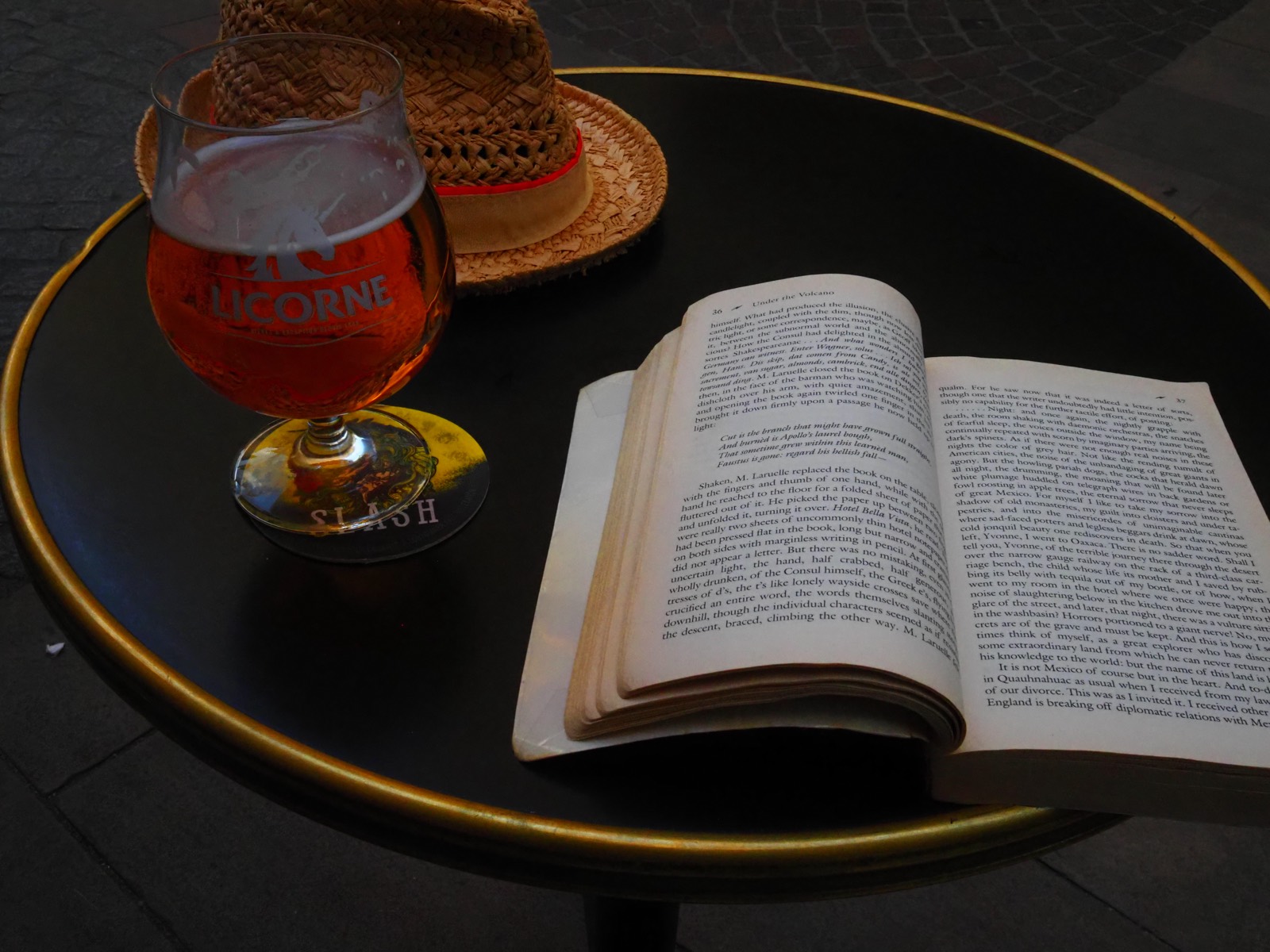
And yet. The sunset over the Rhone, the narrow streets, the beer in a tiny bistro while floods of people stream by, that pang of nostalgia emanating from the great projects from the past, that exoticism that still haunts you from the Africa track that ran through the festival, the few new images that stuck with me. There is not a doubt that I will be back...