Teaching · StrudelmediaLive
Courses & Workshops
A growing archive of the live online courses and mini-workshops I've taught with StrudelmediaLive since 2020 — on surrealism, colour, perception, the city, low light, and the shifting ground of AI. Each entry will be expanded here with images and notes.
Course · SurrealismFive chapters · StrudelmediaLive
“The Optical Unconscious”: Adventures in Surrealist Photography
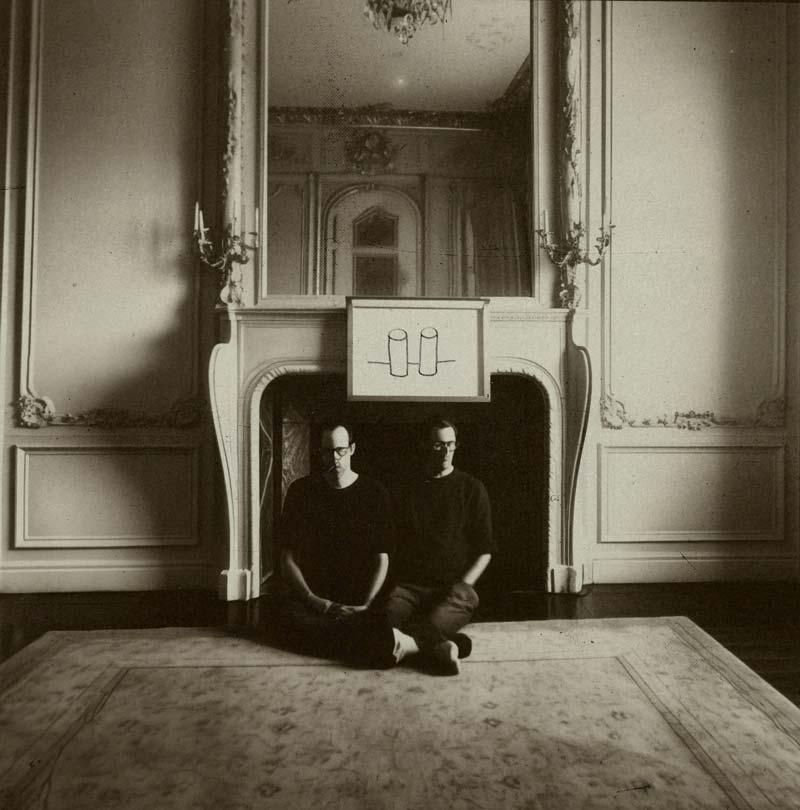
To the American art critic Rosalind Krauss, Surrealism has played a pivotal role in the development of art in the past 100 years. And in her landmark work, The Optical Unconscious, she developed the idea that photography has played a central role in Surrealism — for her, photography is the most surreal of the arts.
In five chapters (“Formlessness,” “Base Materialism,” “Horizontality,” “Pulse,” and “Entropy”), we follow her ideas and look at how photographers have picked up on ideas of the Surrealists and developed them even further. We'll look at, among others, work by Lucas Blalock, Duane Michals, Sarah Moon, and Aaron Siskind — and in five assignments we'll use their work and ideas as an inspiration and starting point for our own photography.
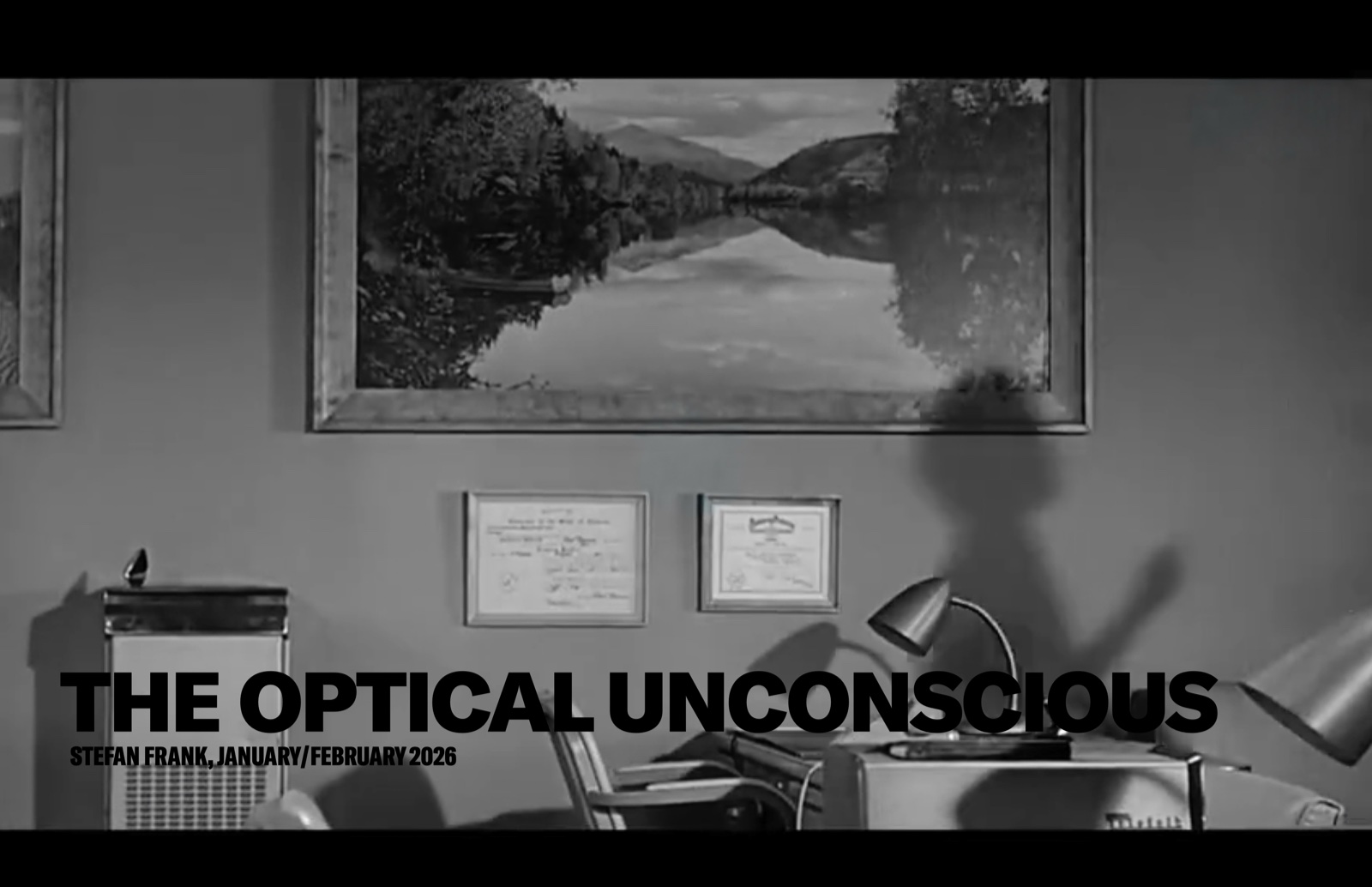
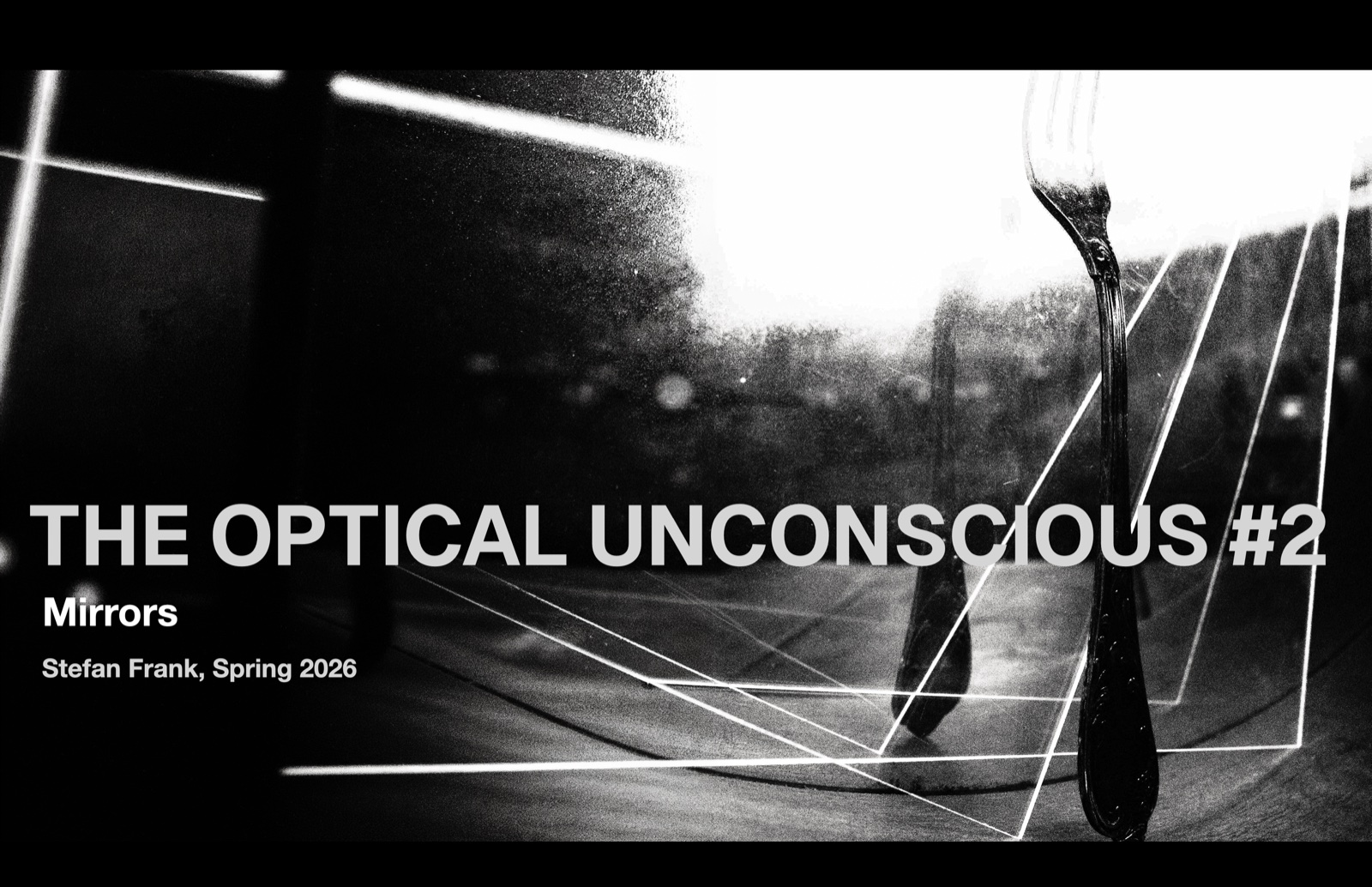
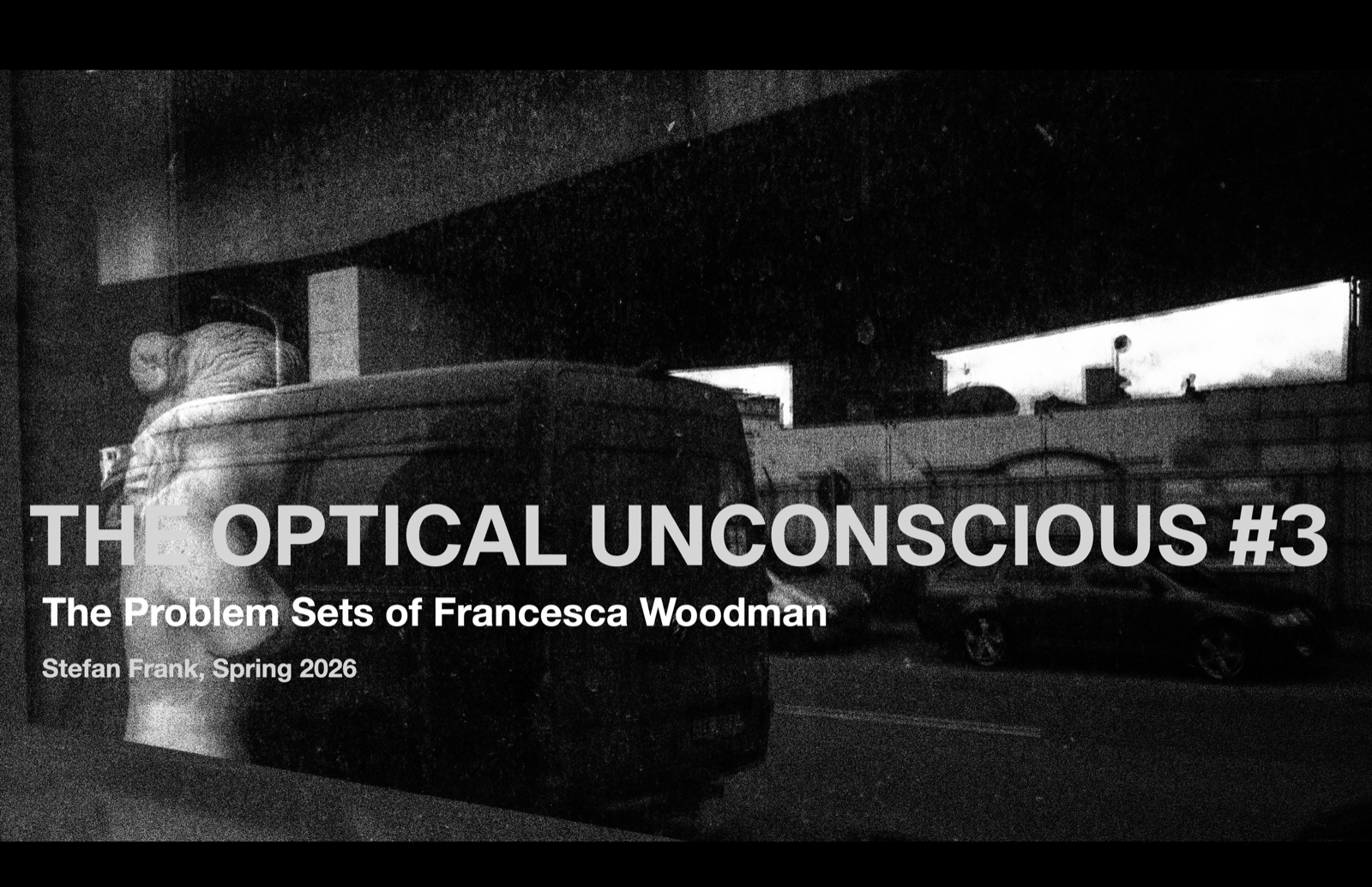
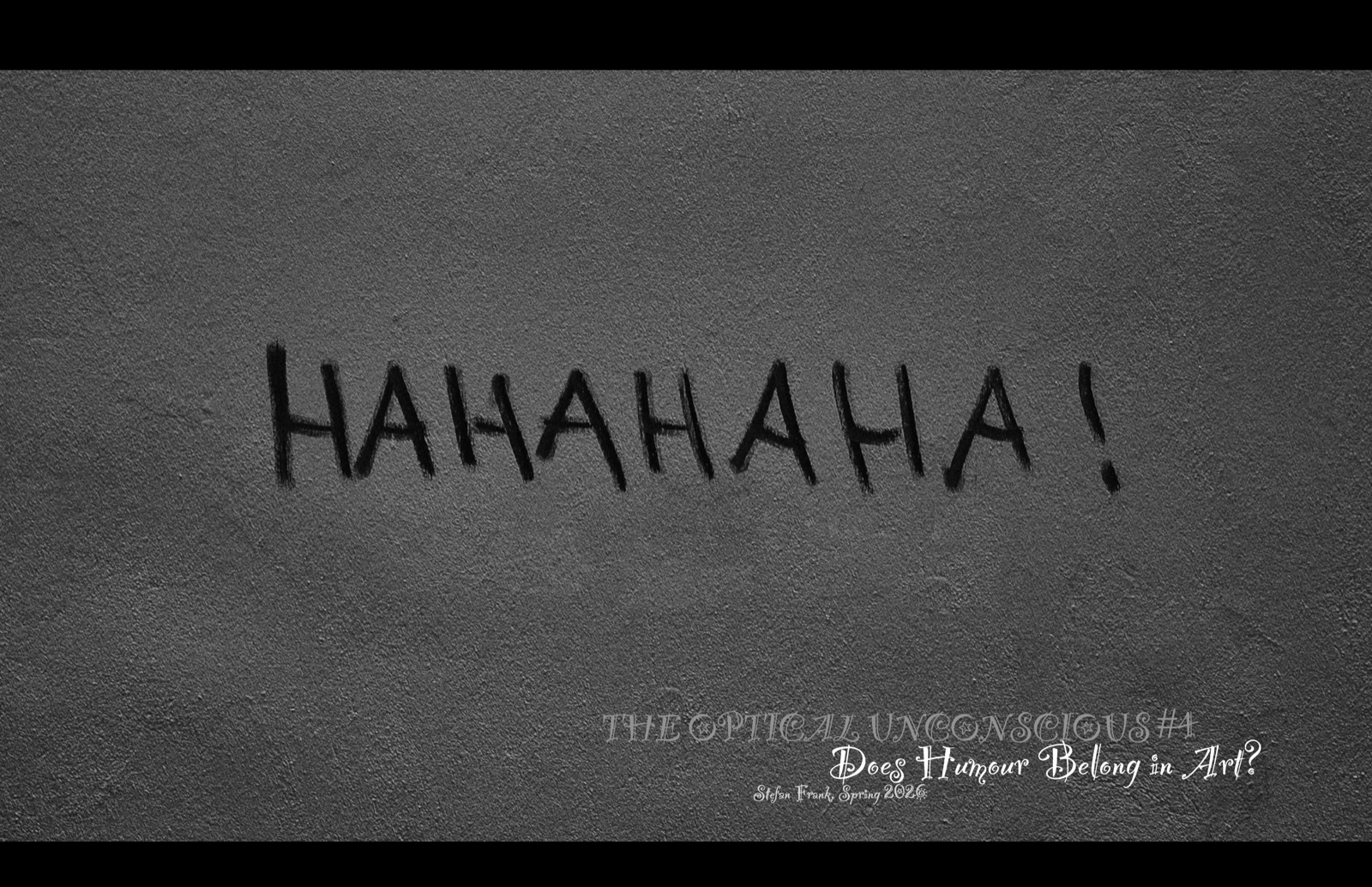
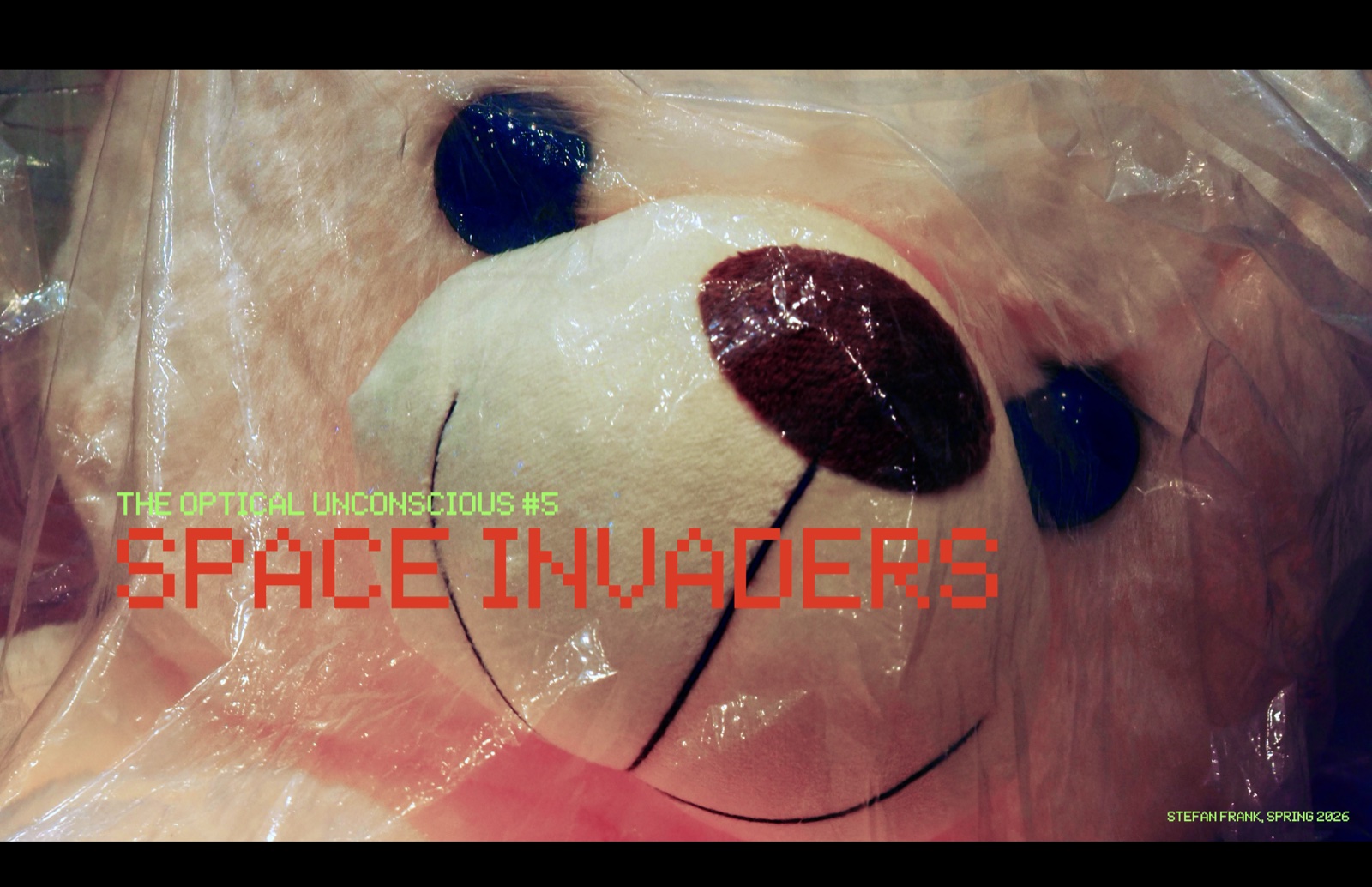
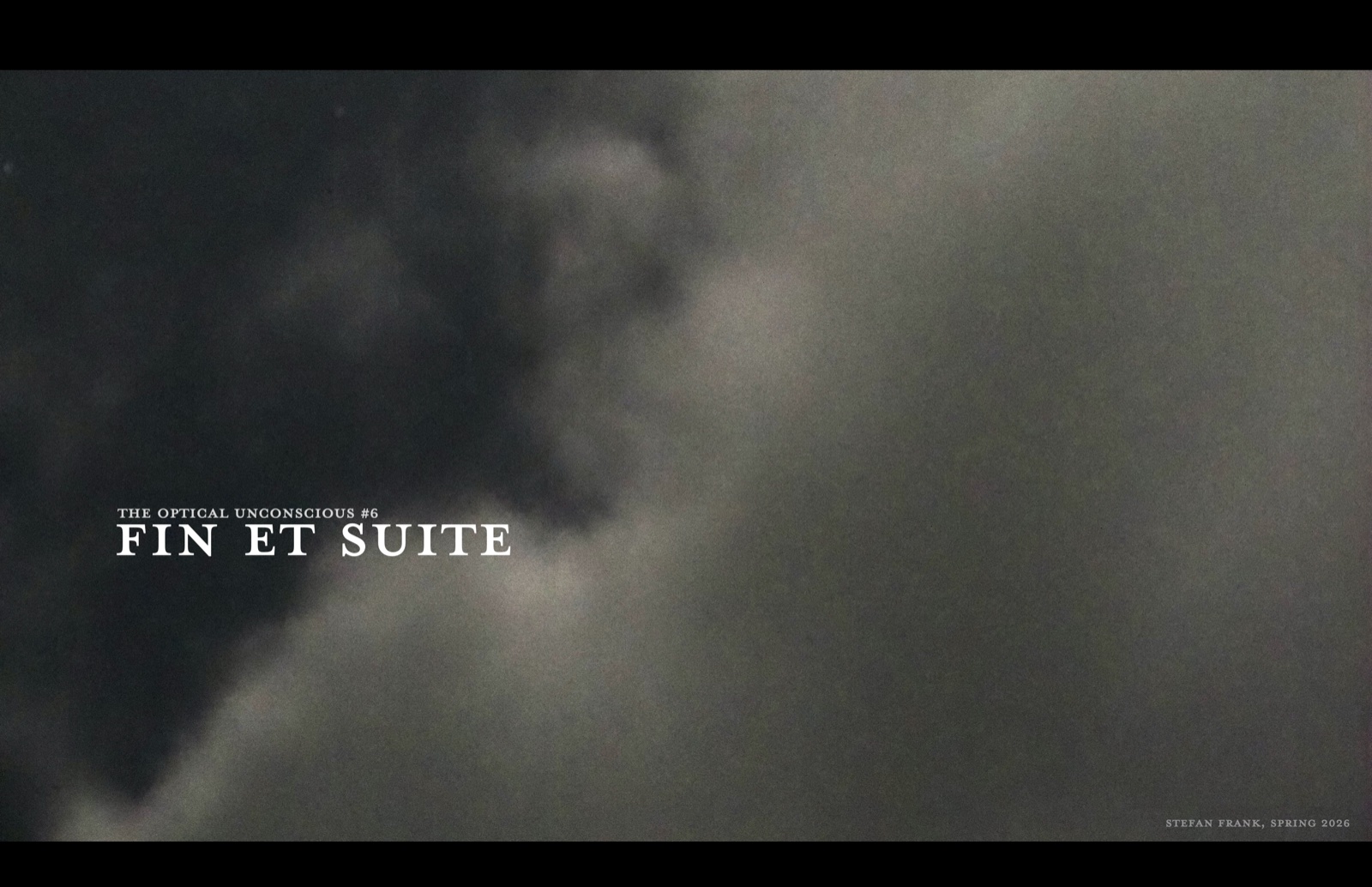
Below: title cards from the six sessions as delivered — Mirrors, The Problem Sets of Francesca Woodman, Does Humour Belong in Art?, Space Invaders, and Fin et Suite.
Details at StrudelmediaLive →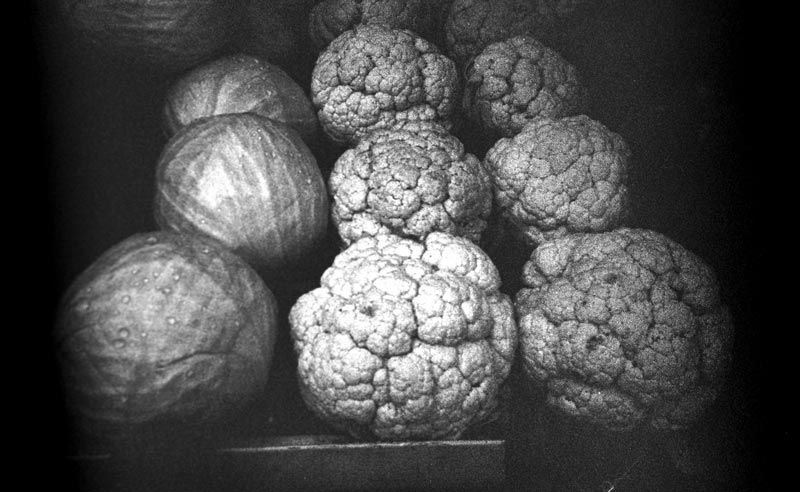
Course · ColourFive chapters · StrudelmediaLive
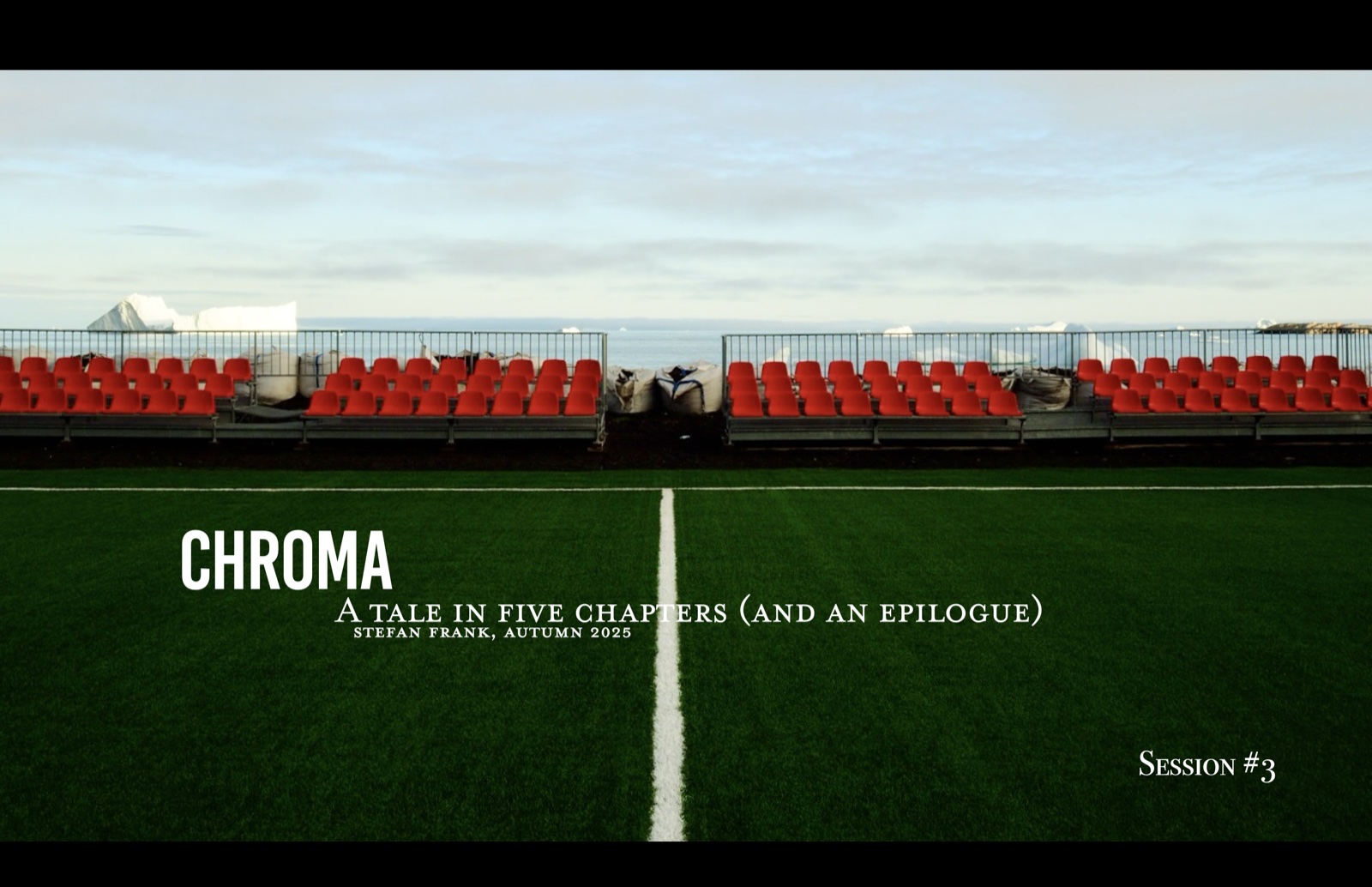
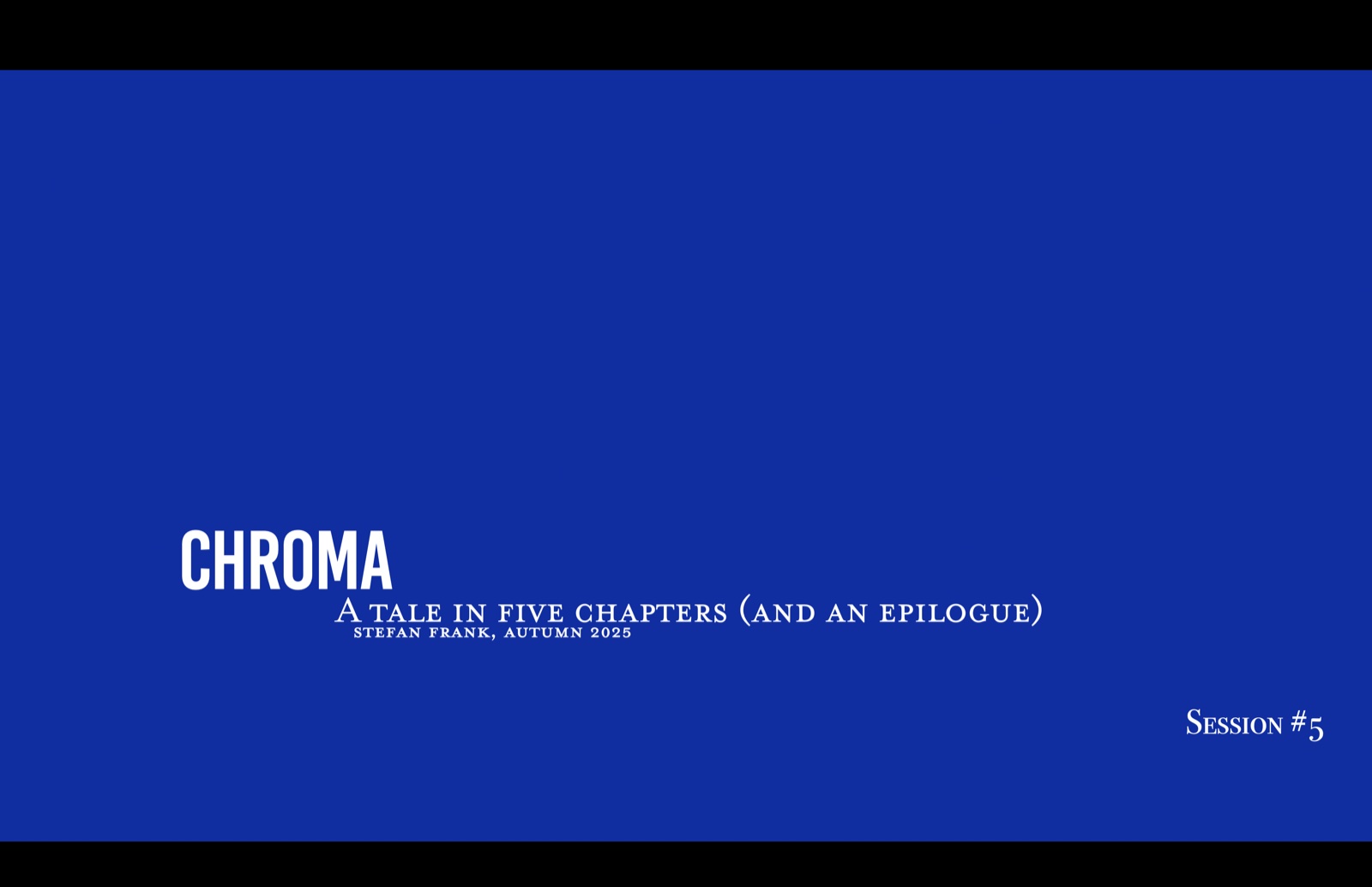
Chroma: A Tale in Five Chapters (and an Epilogue)
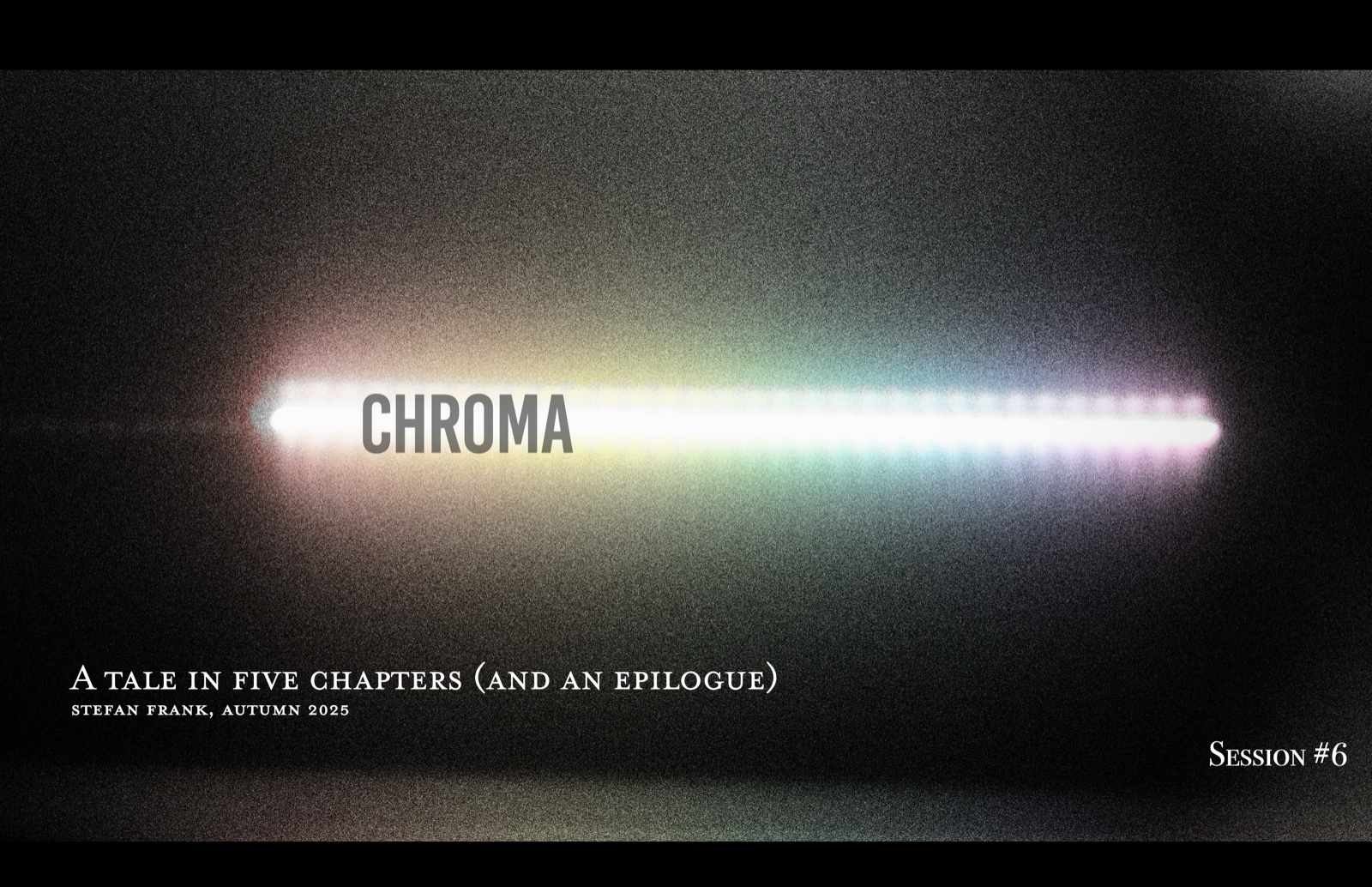
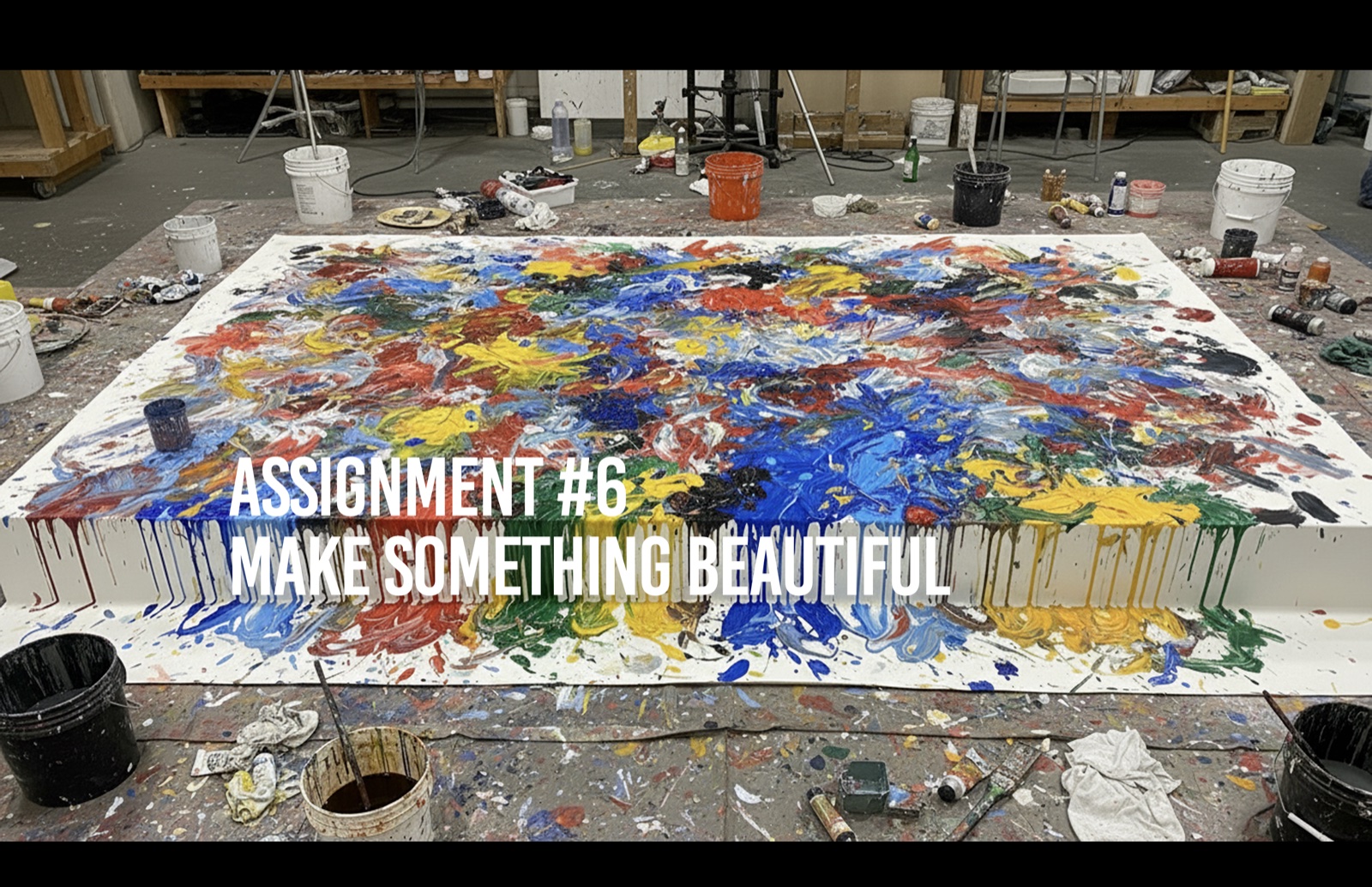
Color often appears in our photos by chance — many photos are colorful simply because the world happens to be. But some photographers make color the main protagonist of their imagery, and in this course, we'll examine some of their work. In five chapters, each focusing on a different color (blue, red, grey, green, yellow) — with an epilogue on the starting and endpoint of all color (white) — we will explore the many pictorial and conceptual aspects of how color appears in photographs.
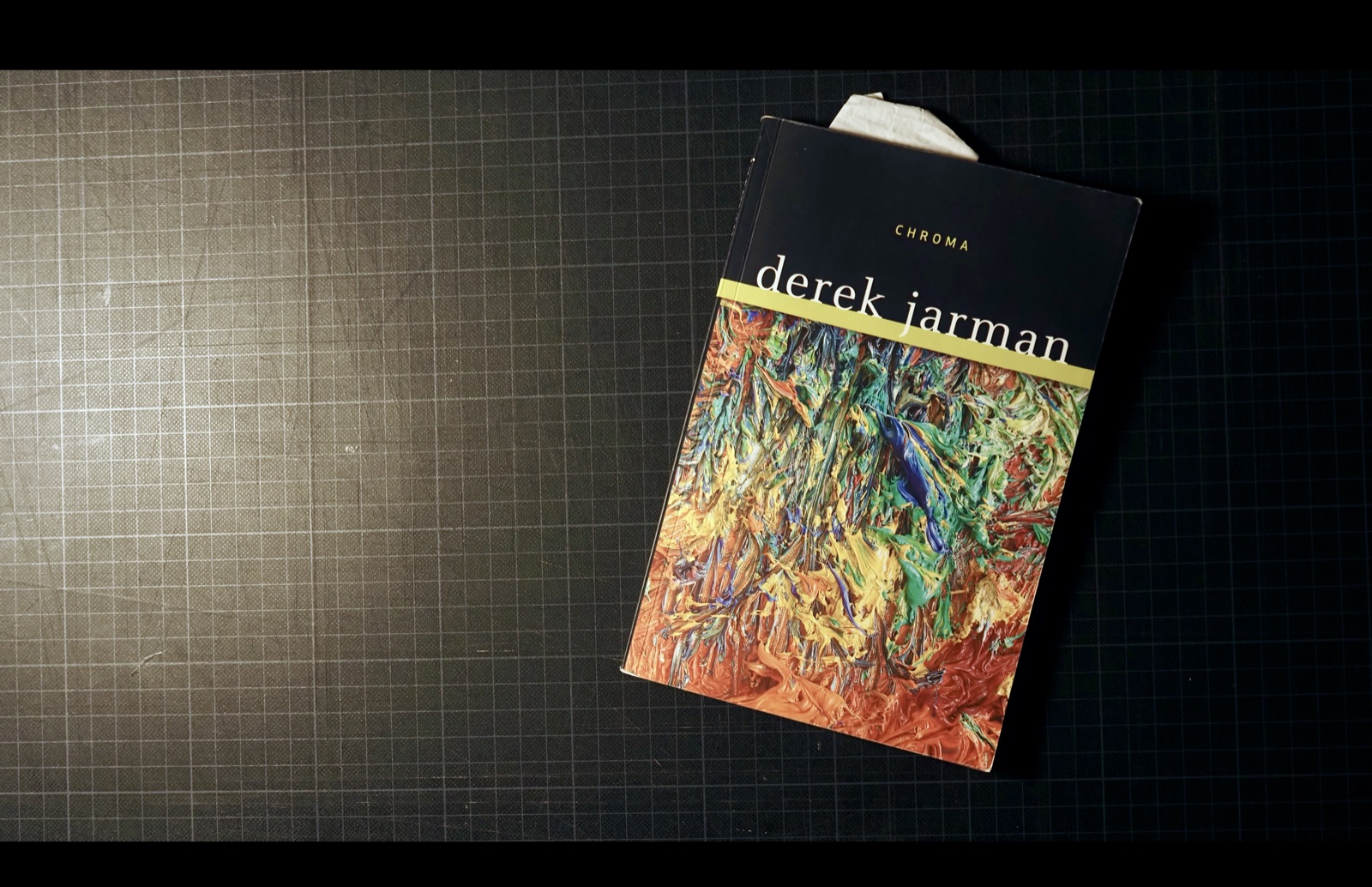
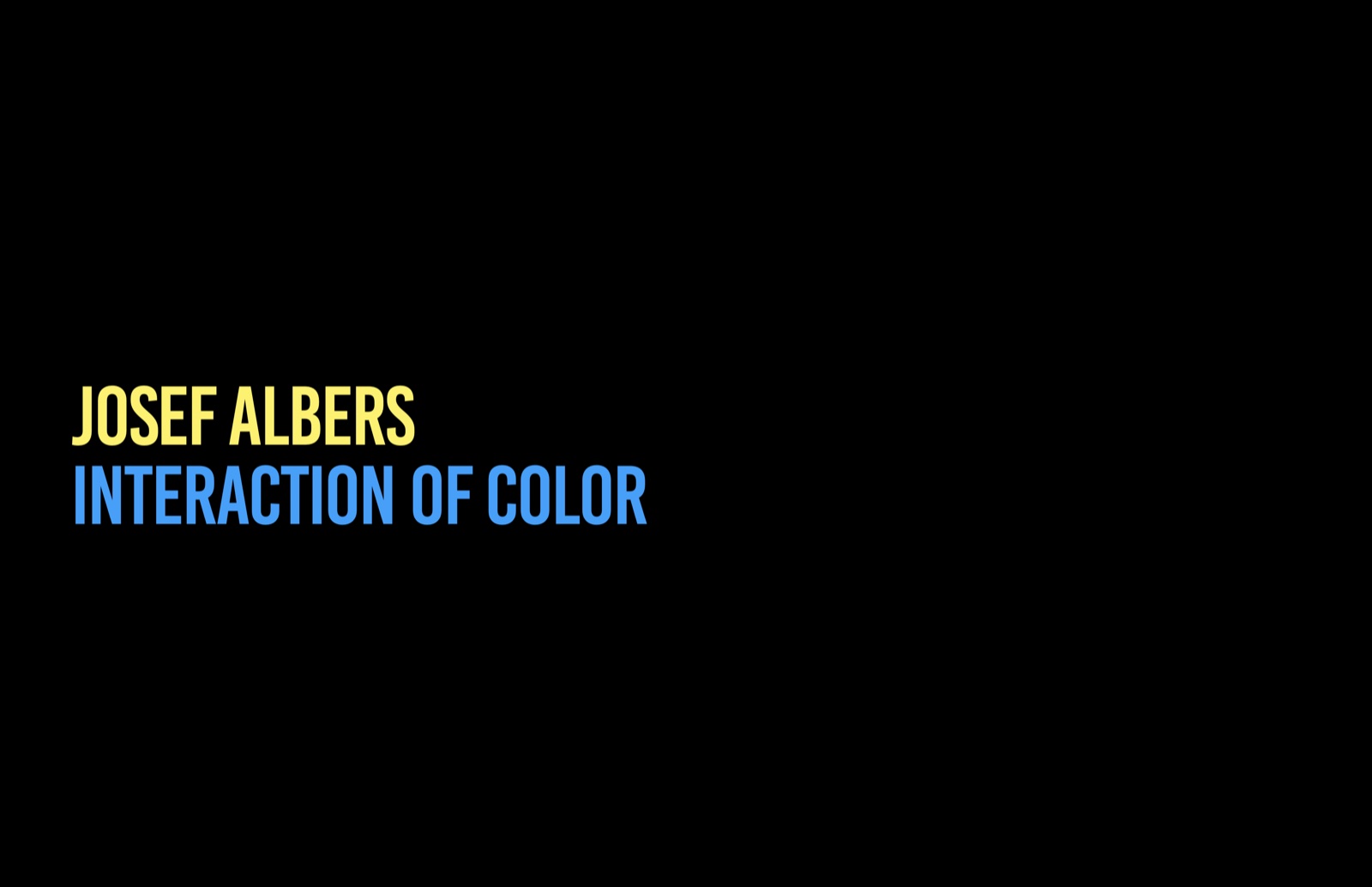
Along the way, we'll read, watch, and listen (Josef Albers' “Interaction of Color,” Derek Jarman's “Blue,” and Miles Davis' “Blue in Green”). And, of course, we'll look at photographs: from the abstract works of Japanese photographer Eiko Yamazawa, and the colorful sculptural experiments of Erin O'Keefe, to great fashion and editorial photographers like Paolo Roversi and Jack Davison, as well as the conceptual works of John Divola.
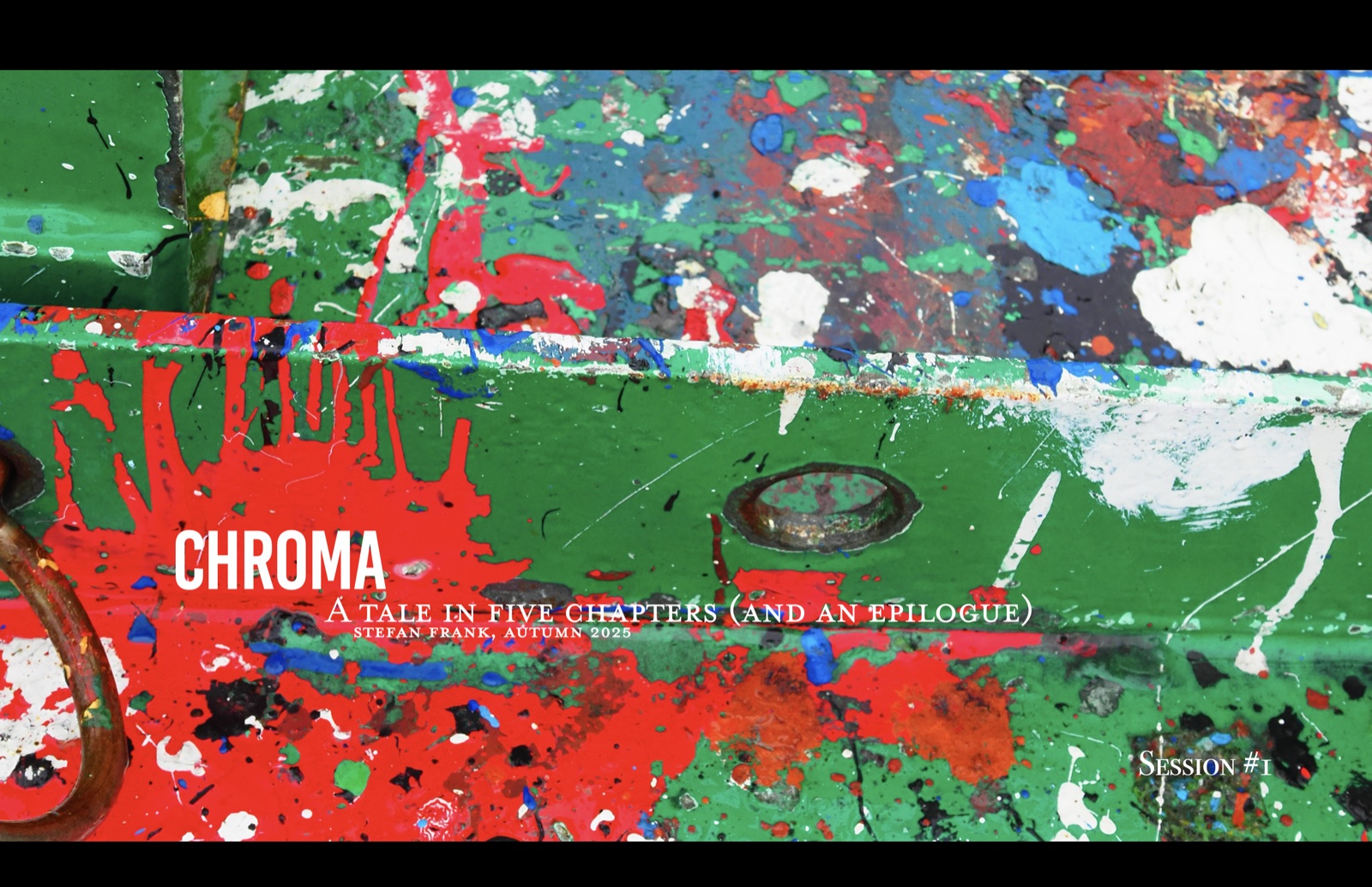
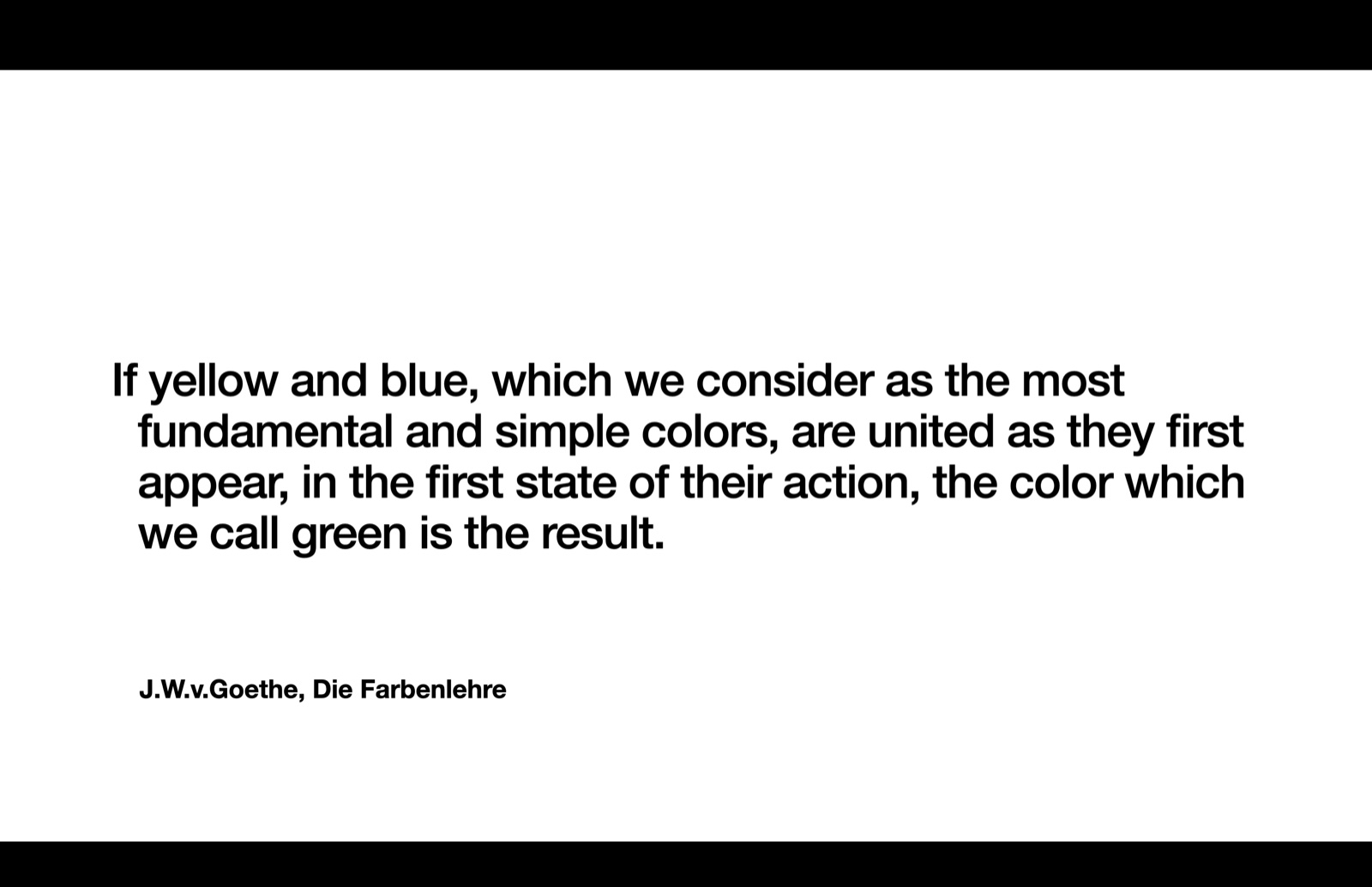
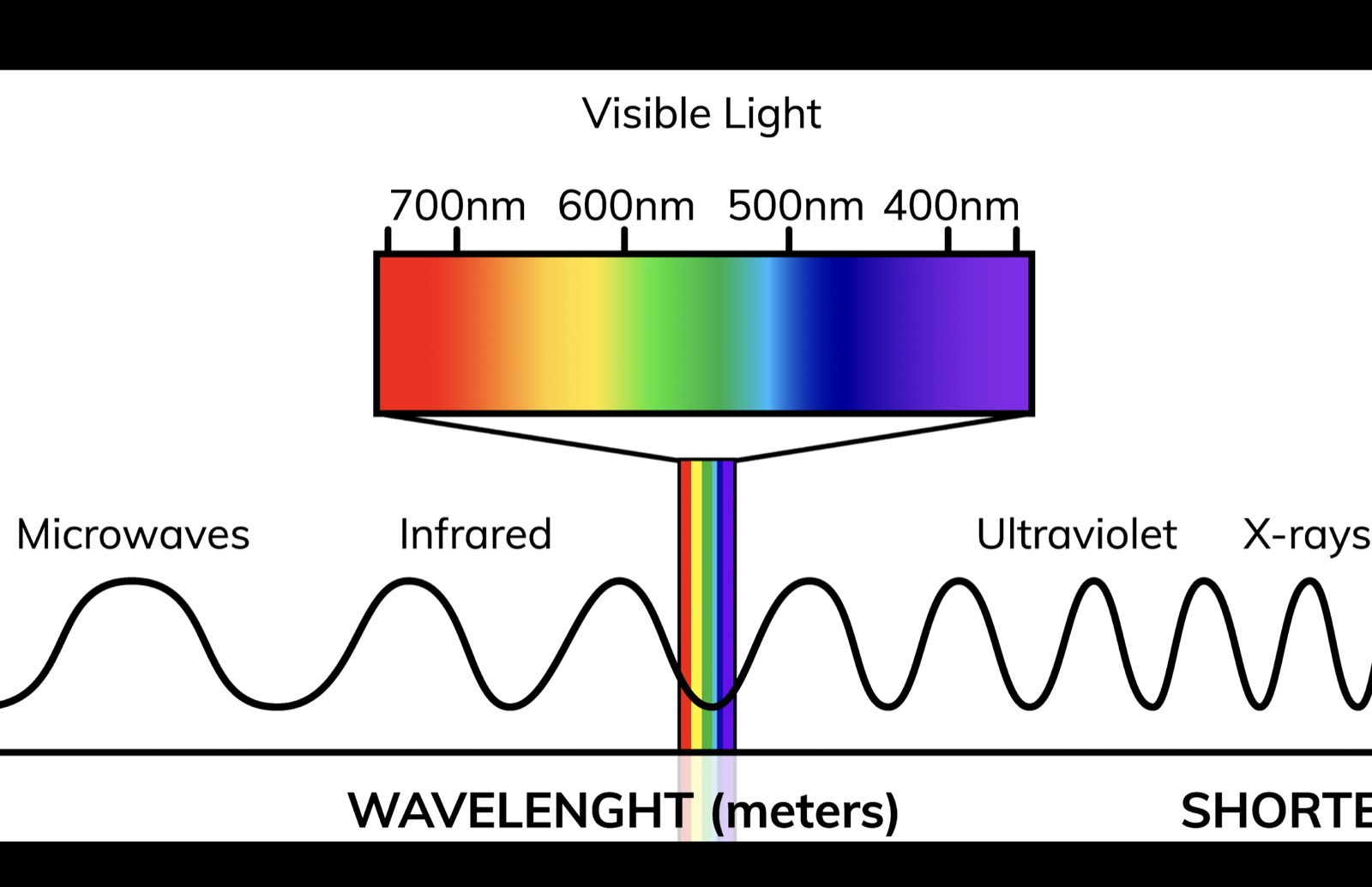
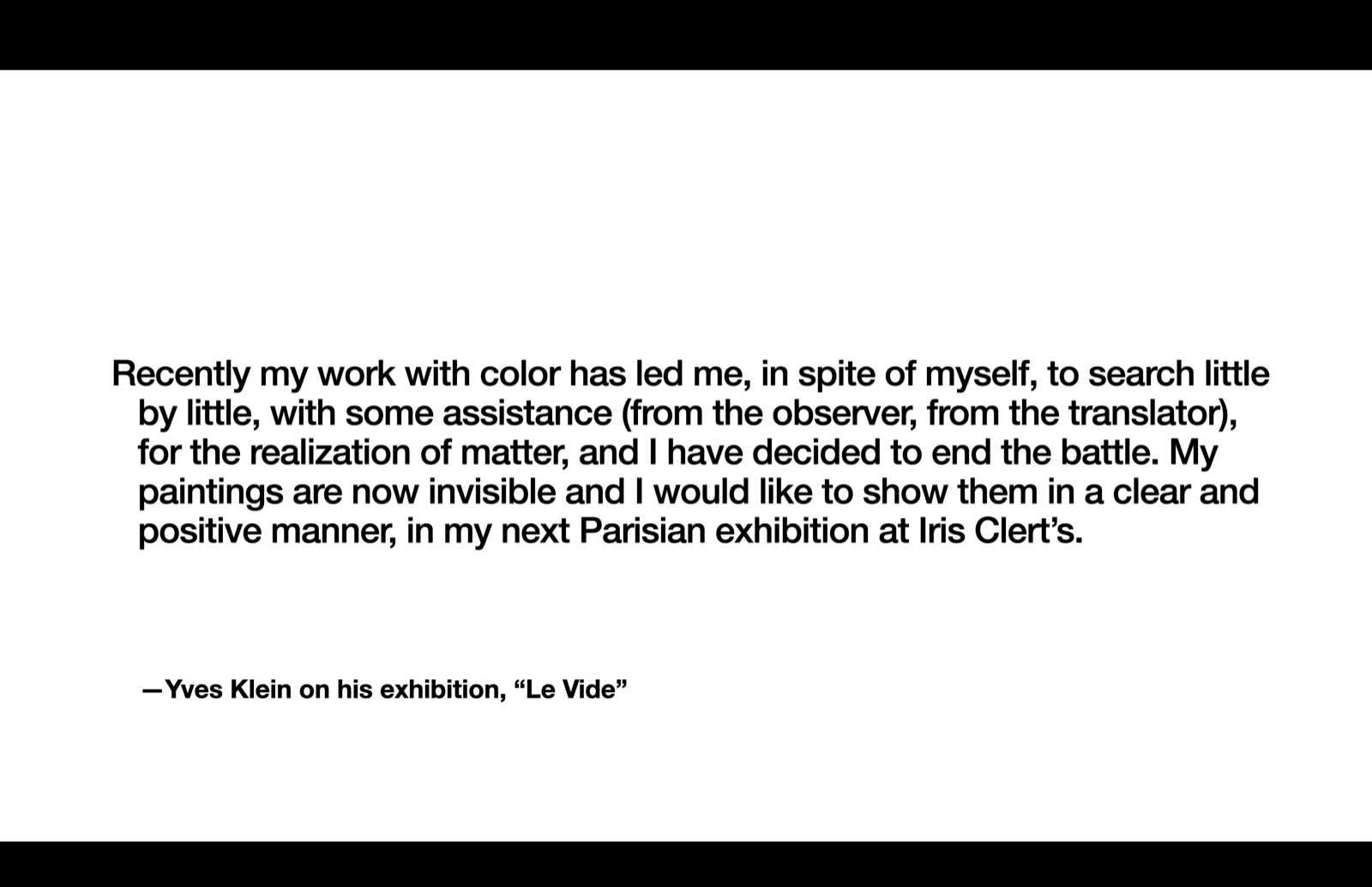
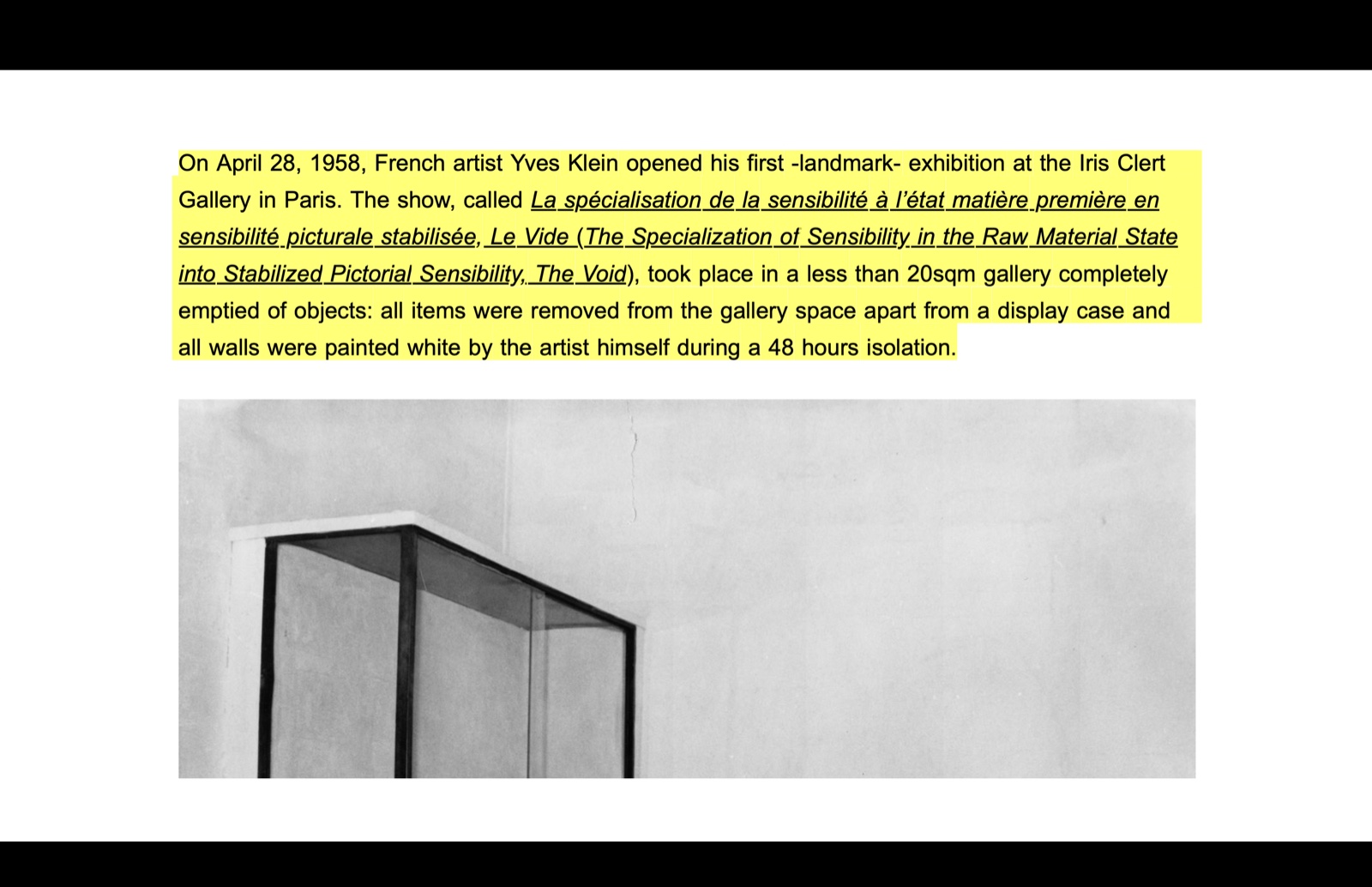
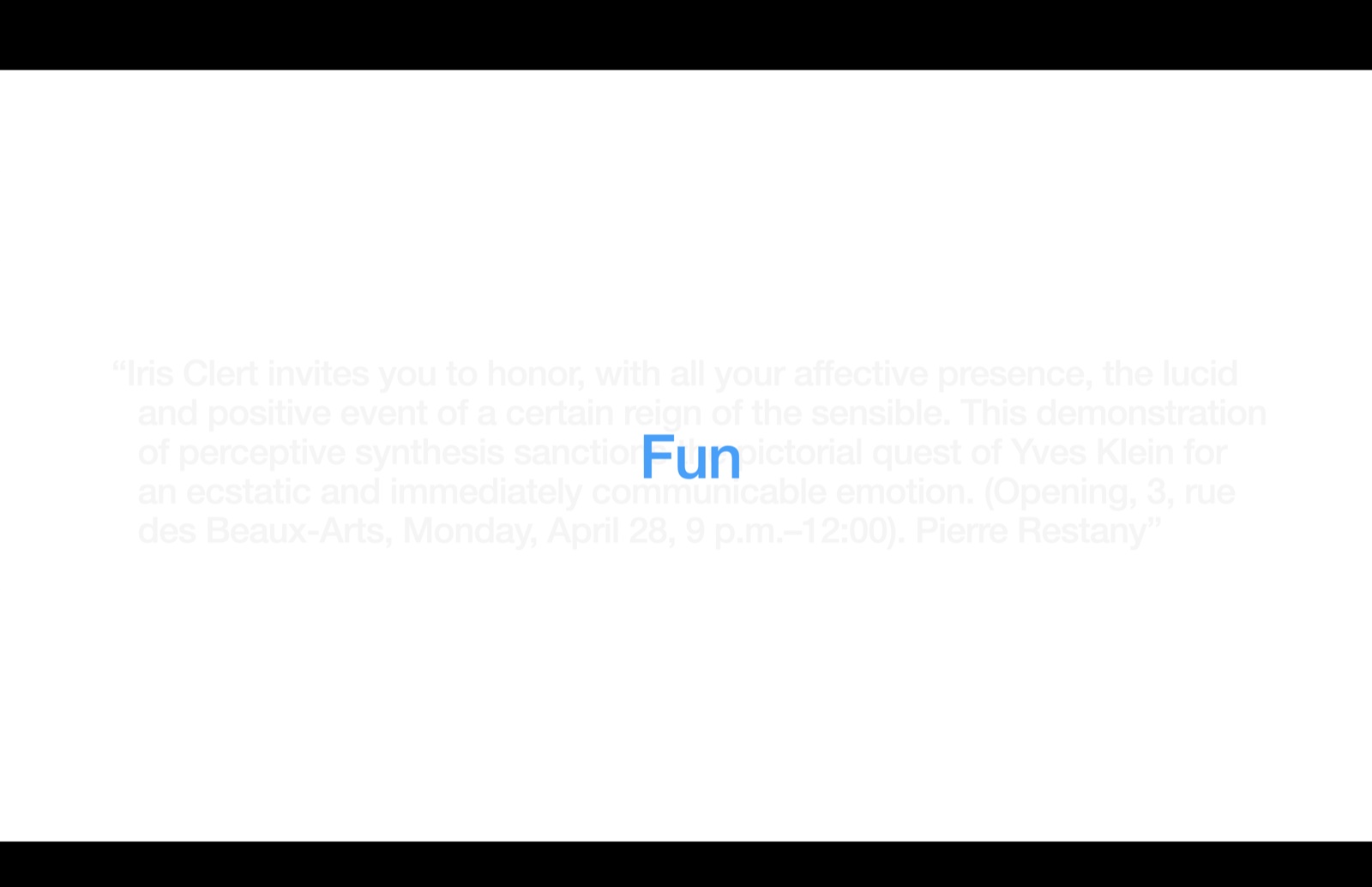
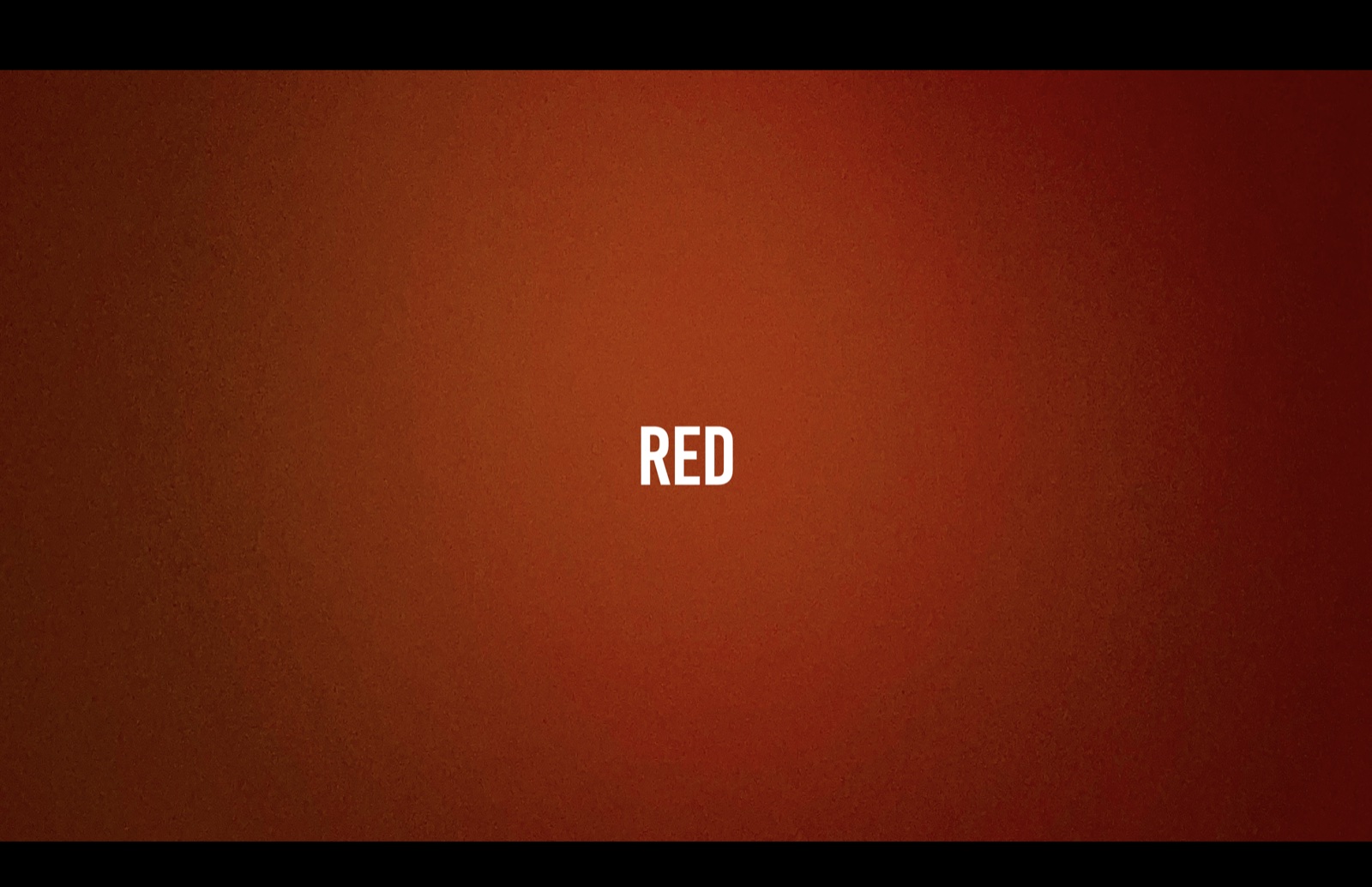
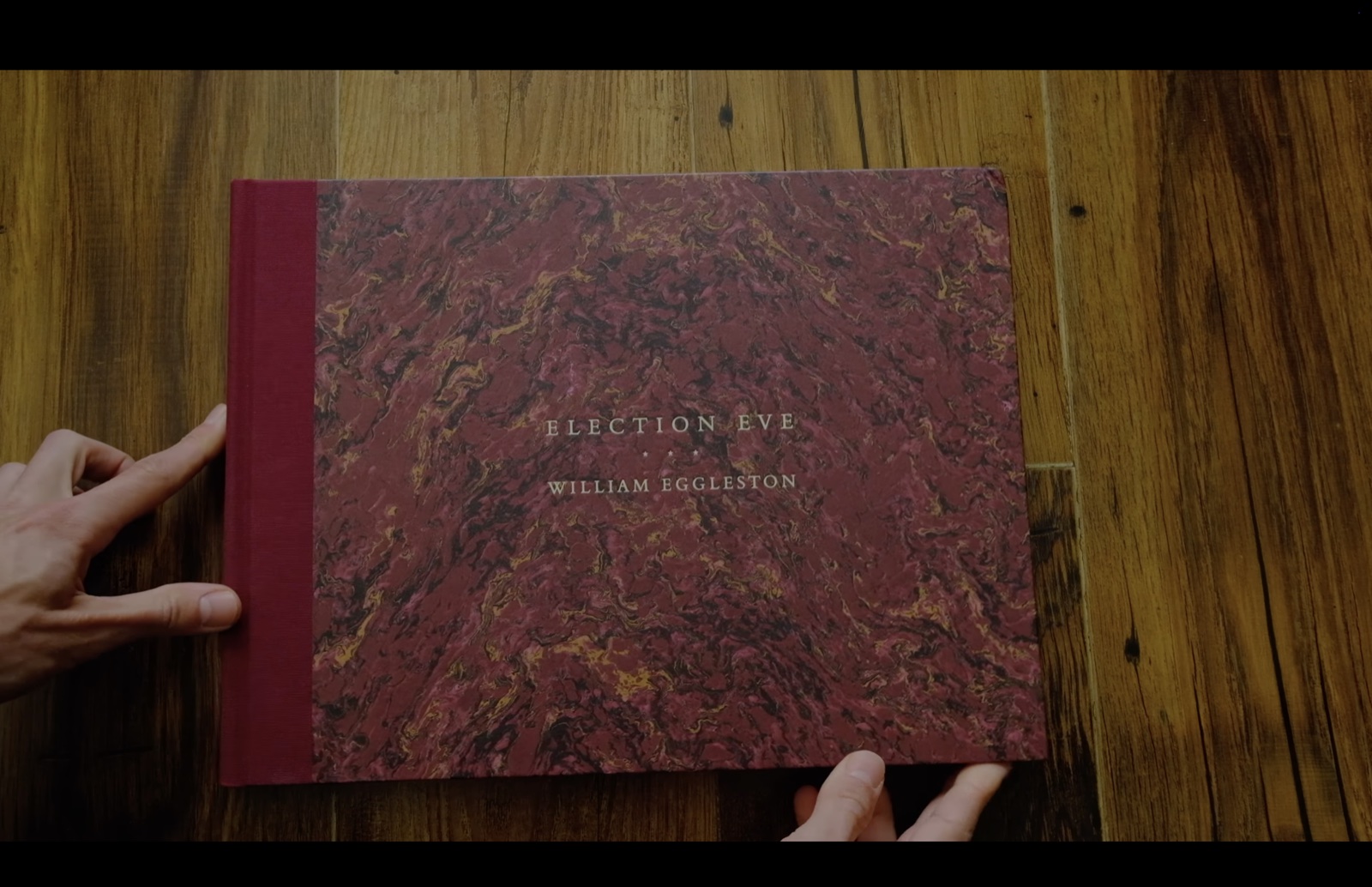
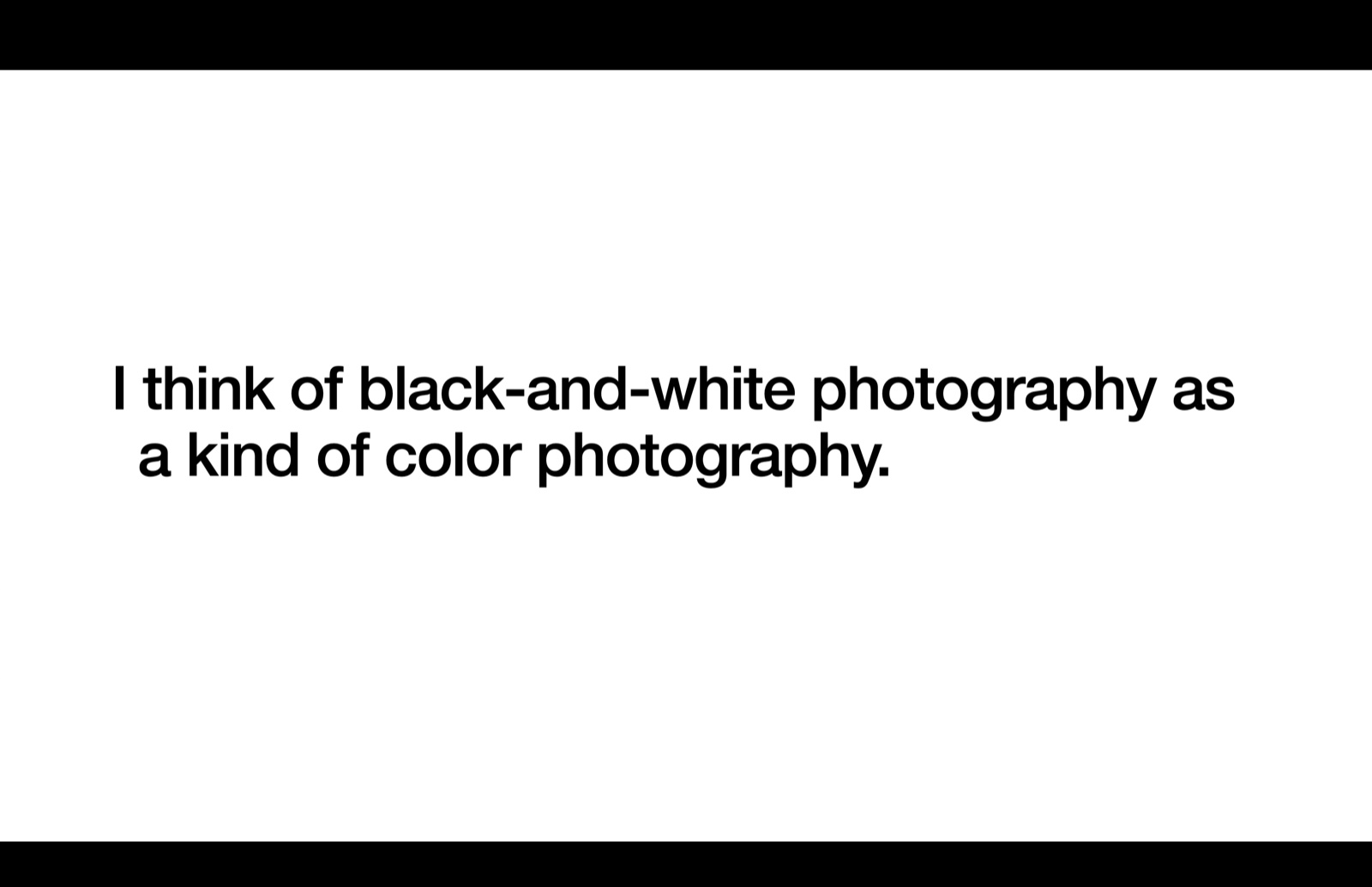
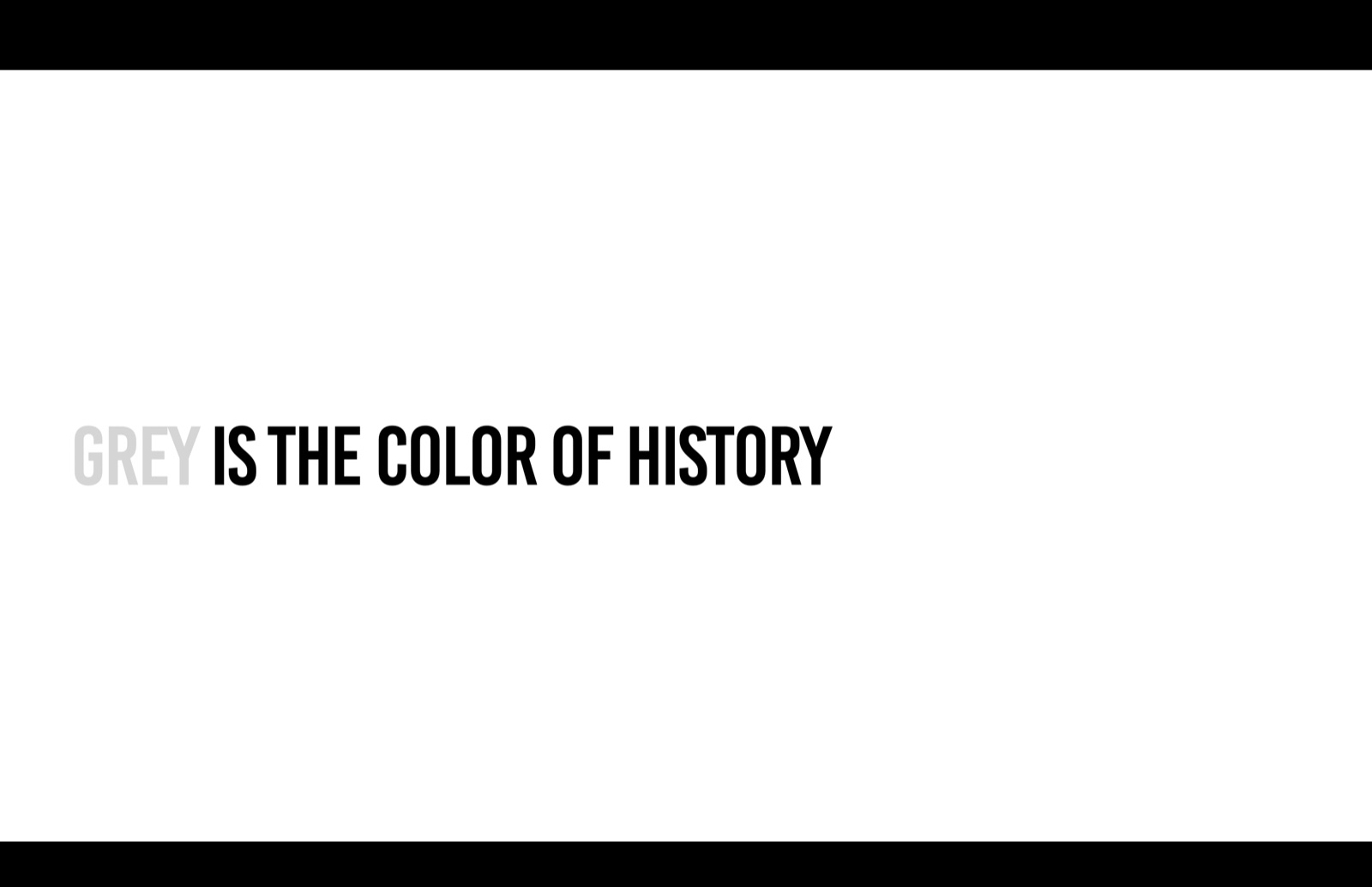
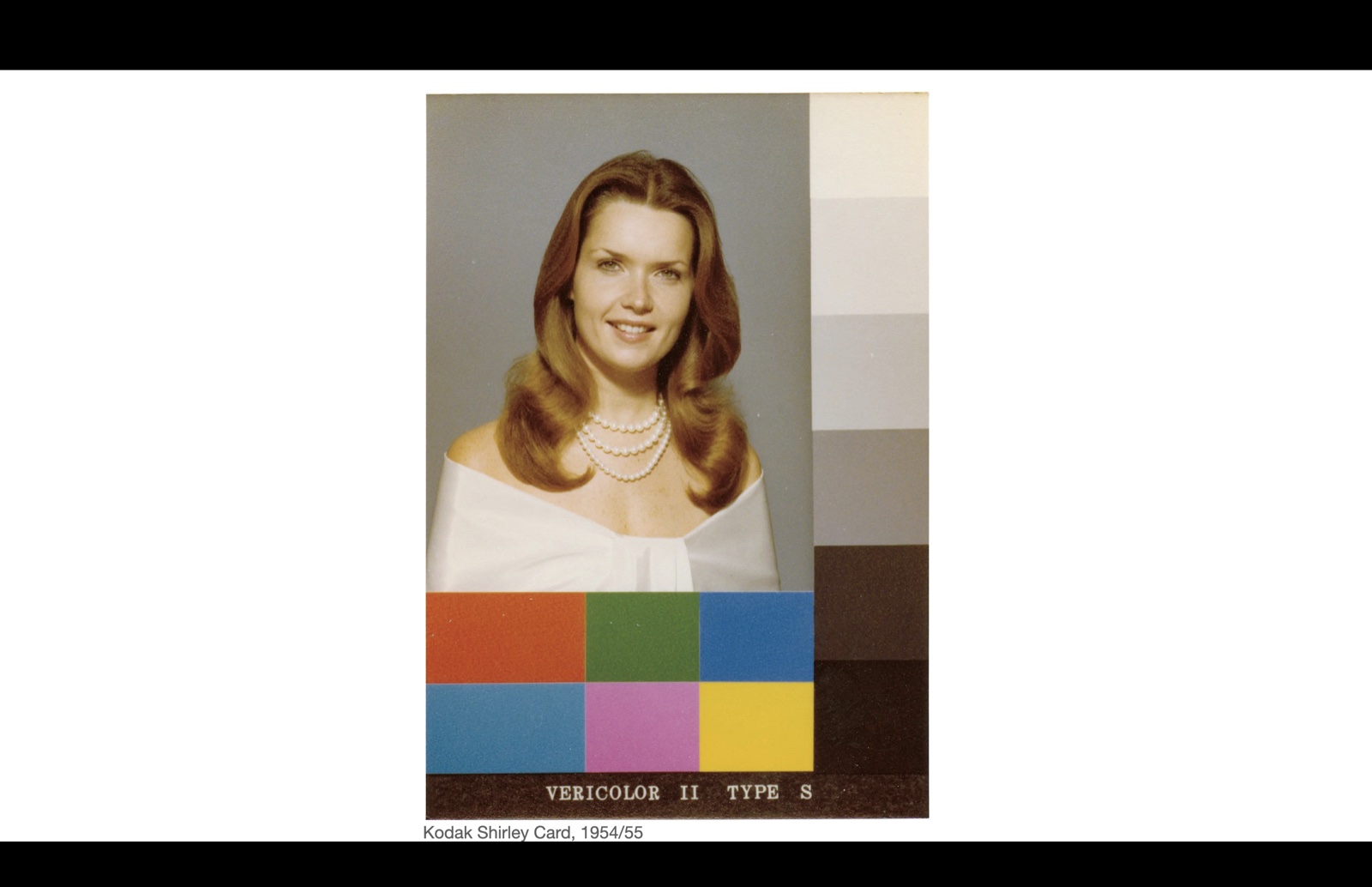
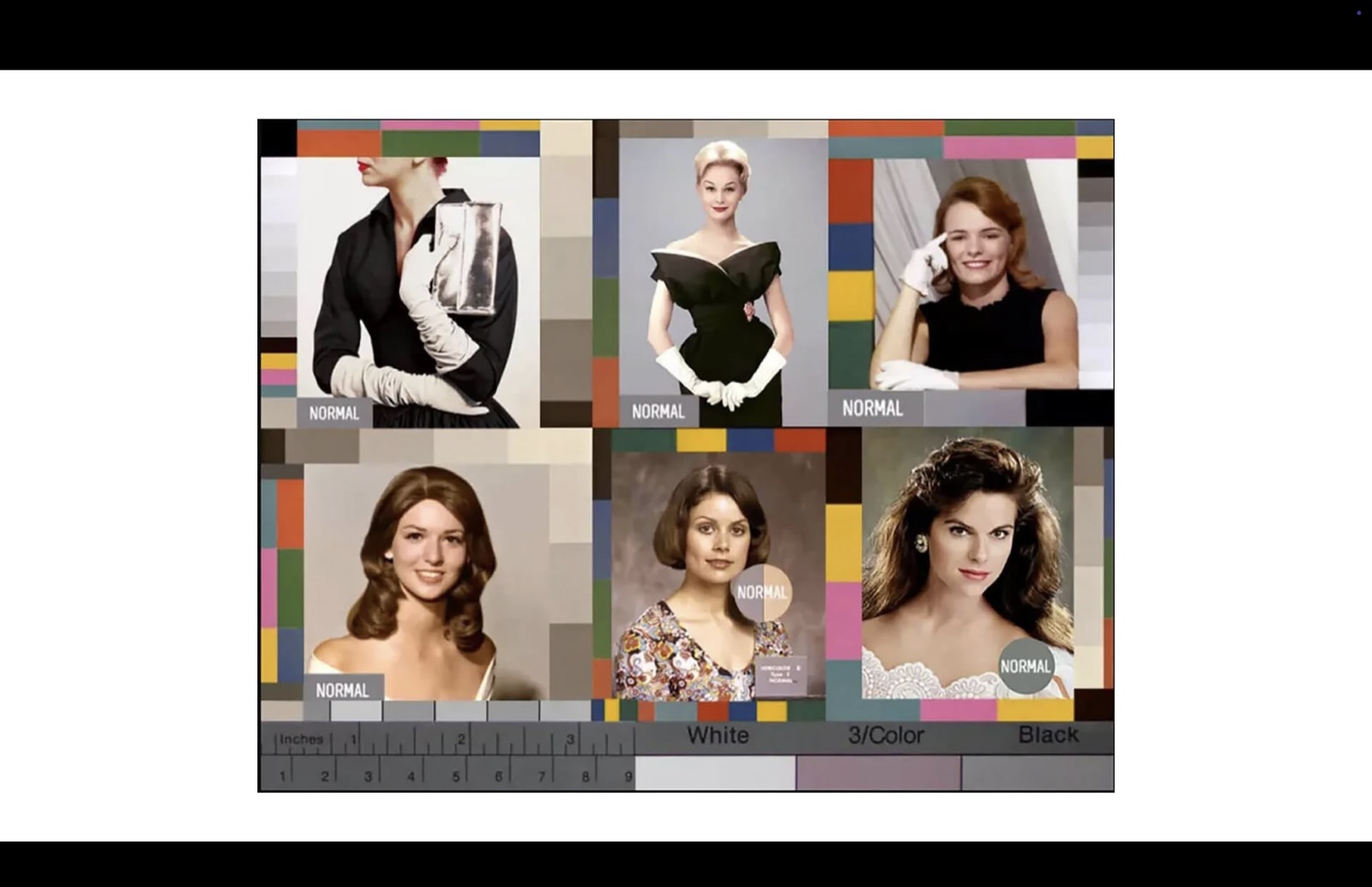
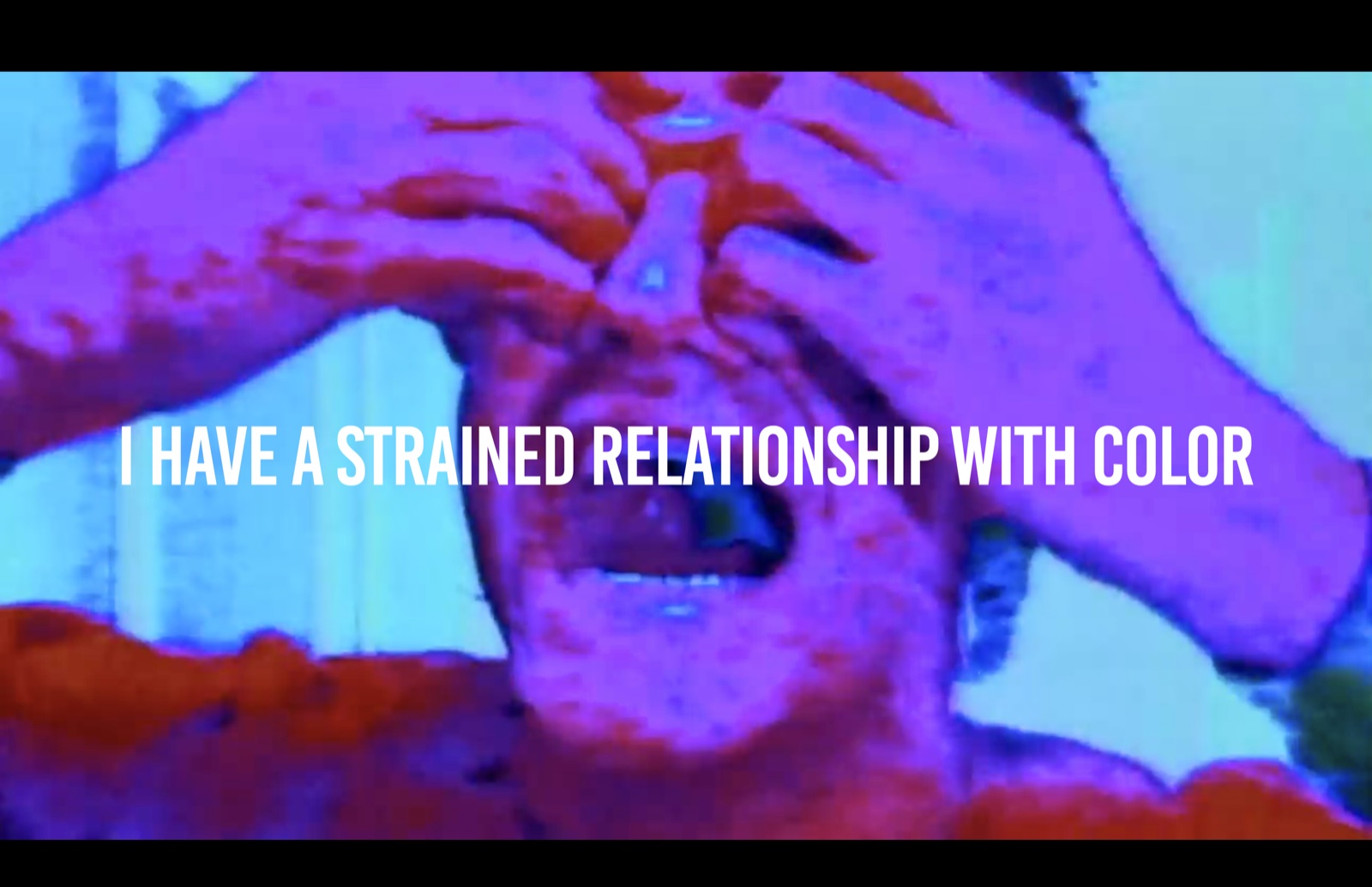
Below: title cards from the six sessions as delivered, interleaved with the reference material discussed along the way — Josef Albers, Goethe, Yves Klein, William Eggleston, the Kodak Shirley Card, and more.
Details at StrudelmediaLive →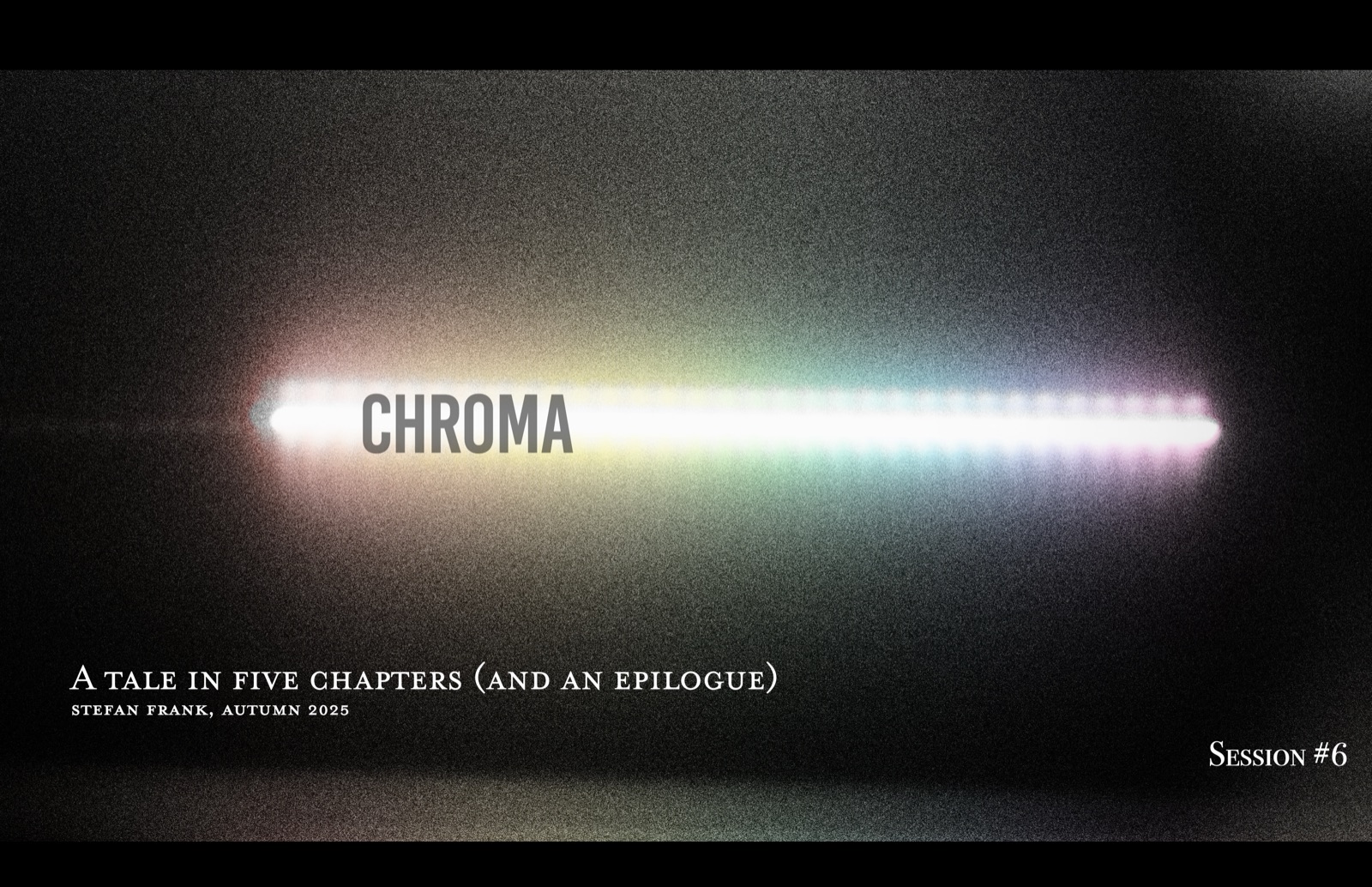

Course · PerceptionPrinciples of visual perception · StrudelmediaLive
Gestalt Theory for Photographers
Gestalt principles of human perception explain how our brain sees patterns, structure, form, and logic in the world around us. Painters like Vermeer, Bouguereau, and Jacques-Louis David used these principles long before they were formalized at the beginning of the 20th century. They used them intuitively to make their work more dynamic and to achieve coherence in their compositions, just as photographers like Cartier-Bresson and Alex Webb did later on.
During this course, we will look at principles like figure-ground relation, proximity, and closure, and examine how we can apply these to our own photographs. Although we will be analyzing a lot of work from painters and photographers, this is mainly a practical course. Weekly photography exercises, accompanied by detailed analysis of your pictures, will help you see these principles at work in real-life scenes and apply them to your own compositions.
Details at StrudelmediaLive →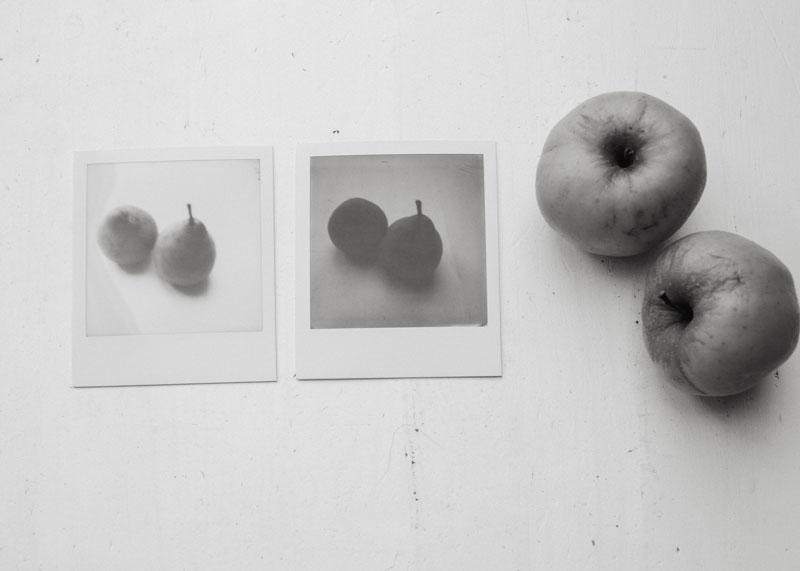
Course · Problem SetsFive problem sets · StrudelmediaLive
5 Problem Sets: The Reality of the Lemon
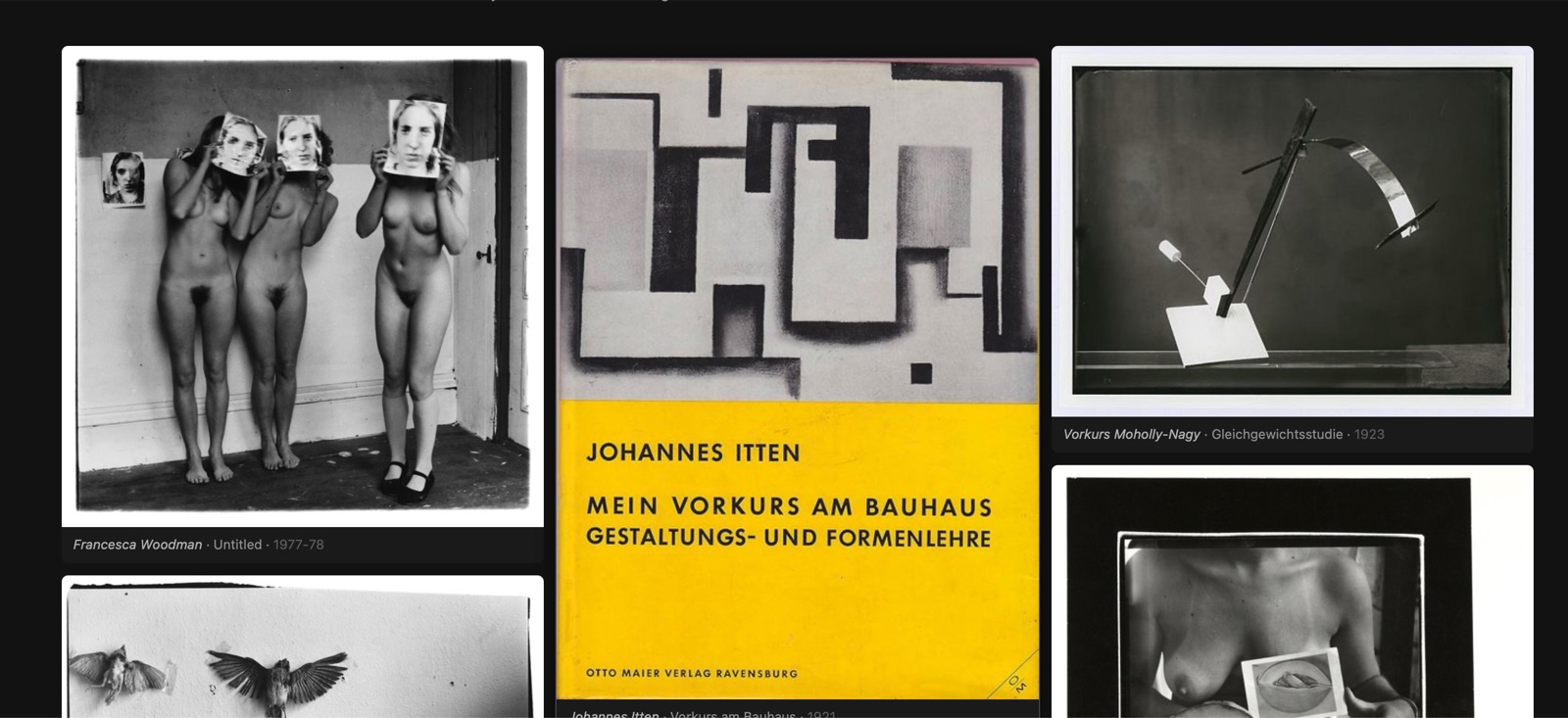
Johannes Itten, a teacher at Bauhaus in the 1930s, asked his students to draw two lemons sitting atop a bright green book. The students whipped off their drawings in a few minutes of what they saw as a simple prompt and sat back to wait. Itten then approached the still life setup, took one of the lemons, cut it into slices, and passed it out to the students to taste. “Are you sure you have captured the reality of the lemon?” he asked. Smiling in comprehension, they then set back to work.
Itten devised Problem Sets as a vehicle to work on basic problems of design; this tool was later picked up and adapted by photographers including Francesca Woodman, who used the technique as a working method for her photography. In this course we'll work on five Problem Sets, ranging from very simple and formal (“describe a space”) to more complex and abstract (“on being an angel”) — and look at photographers like James Casebere or John Divola, who work with a similar, serial approach.
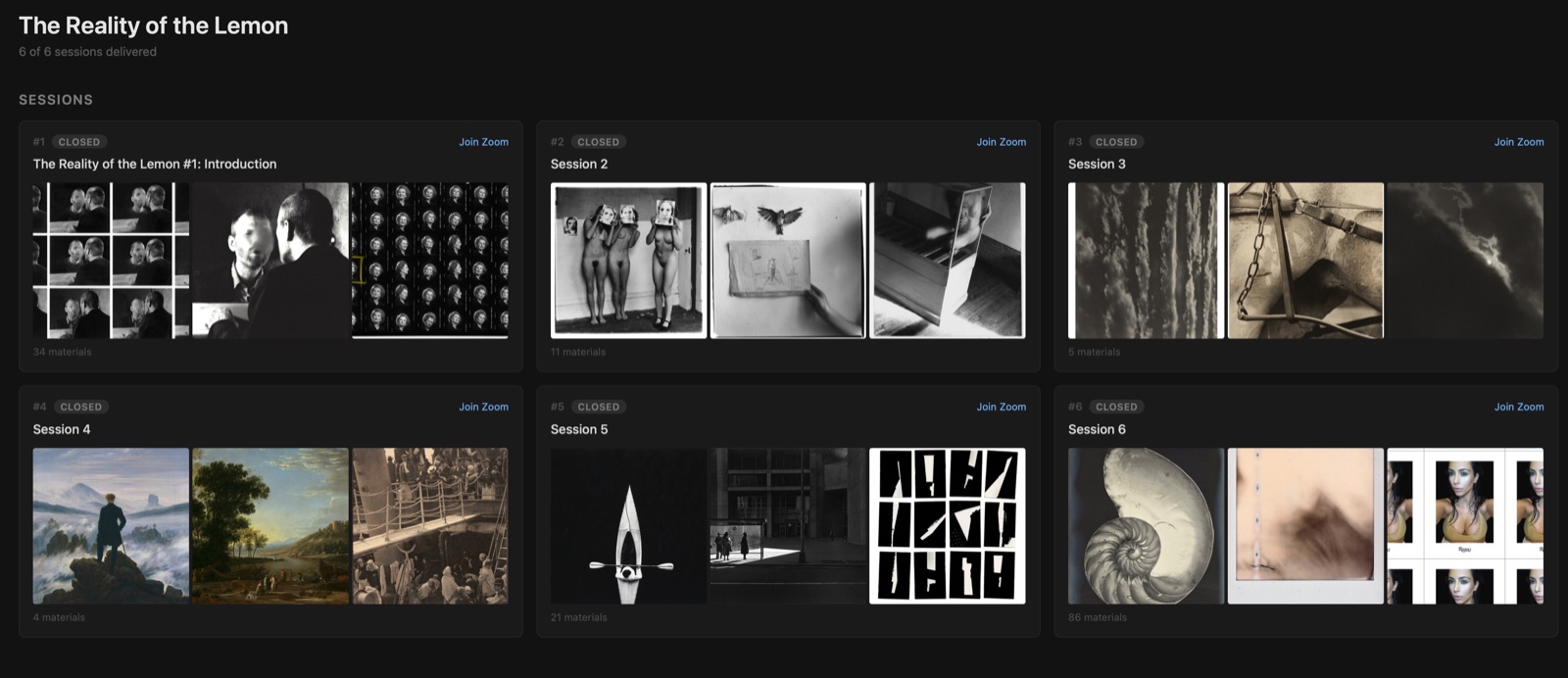
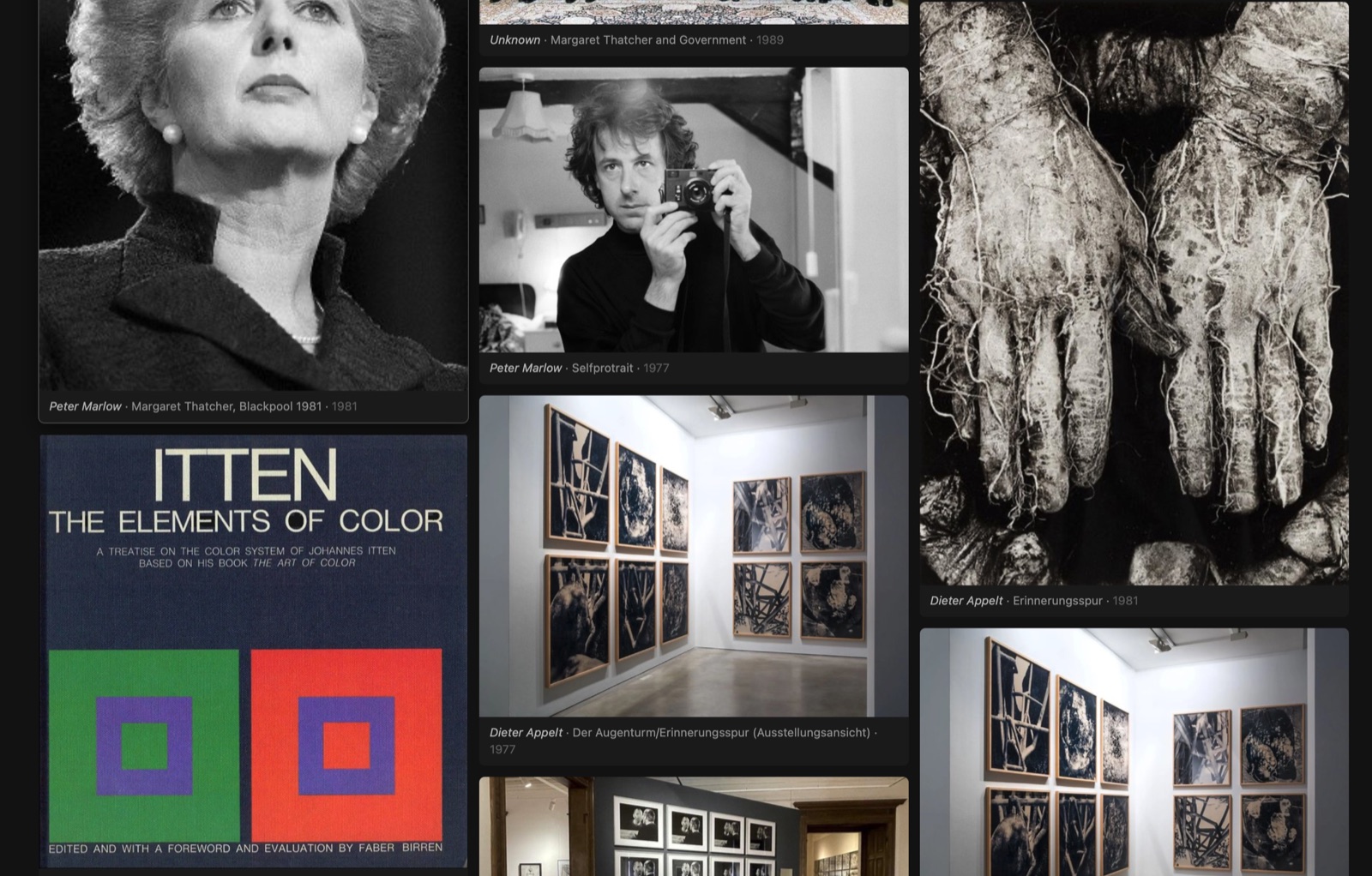
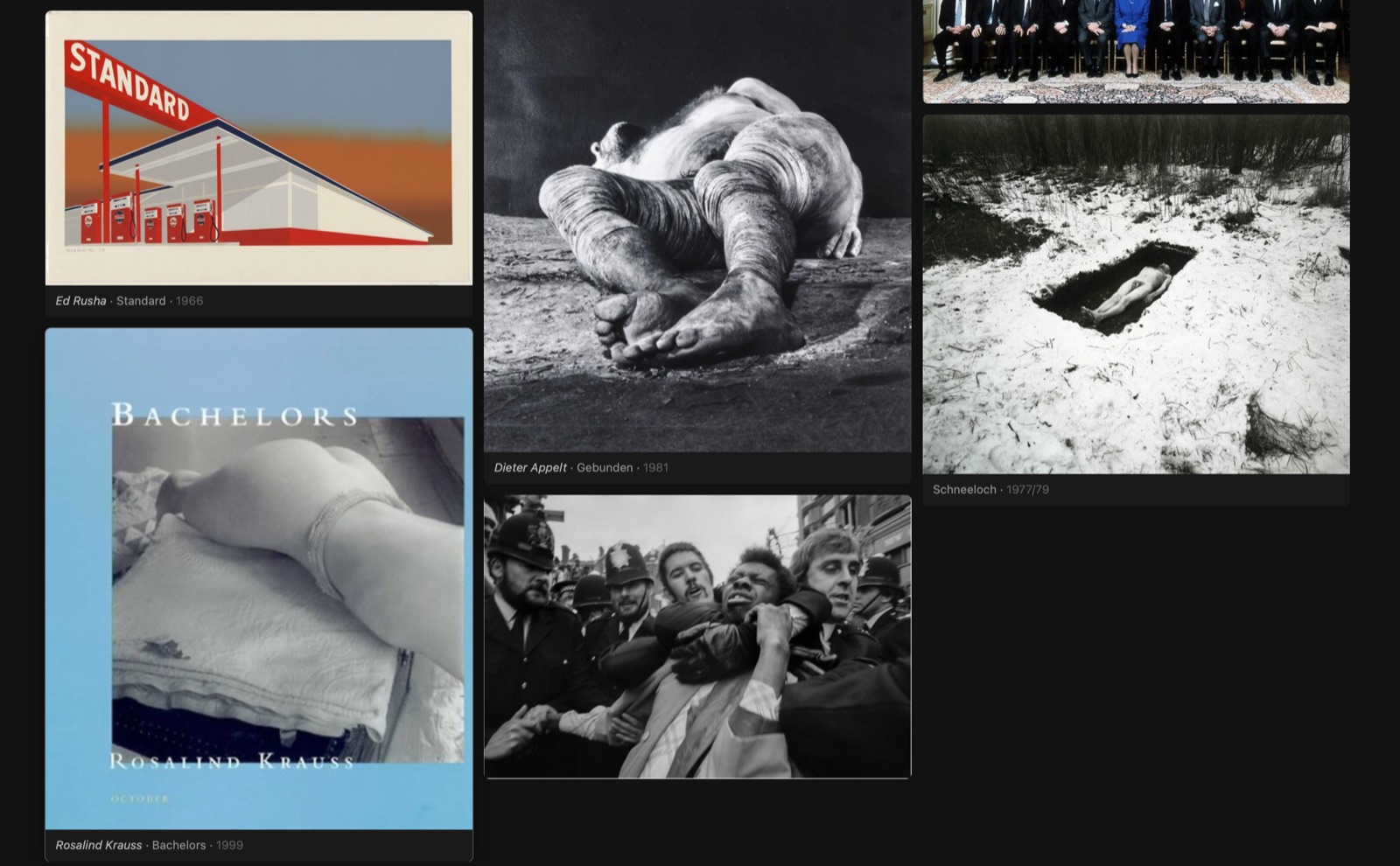
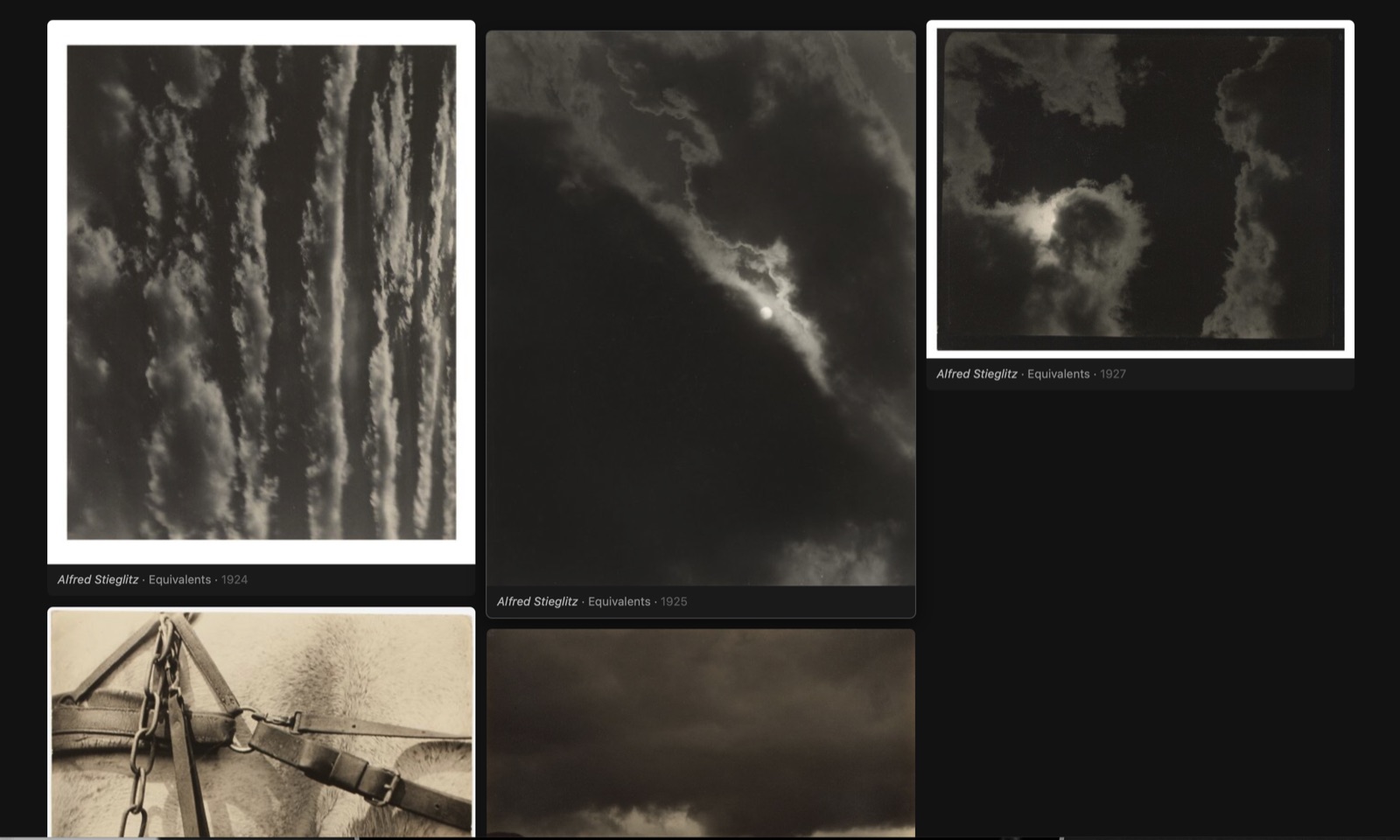
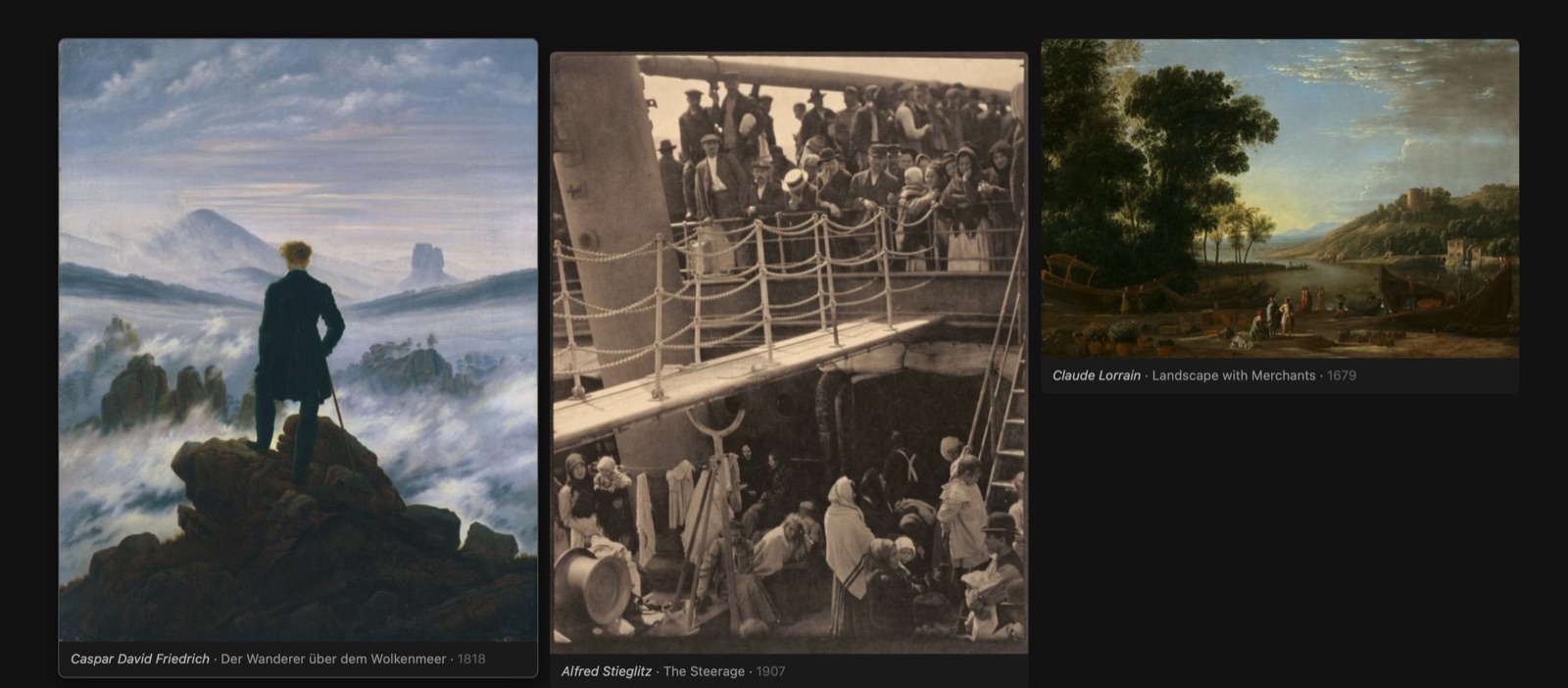
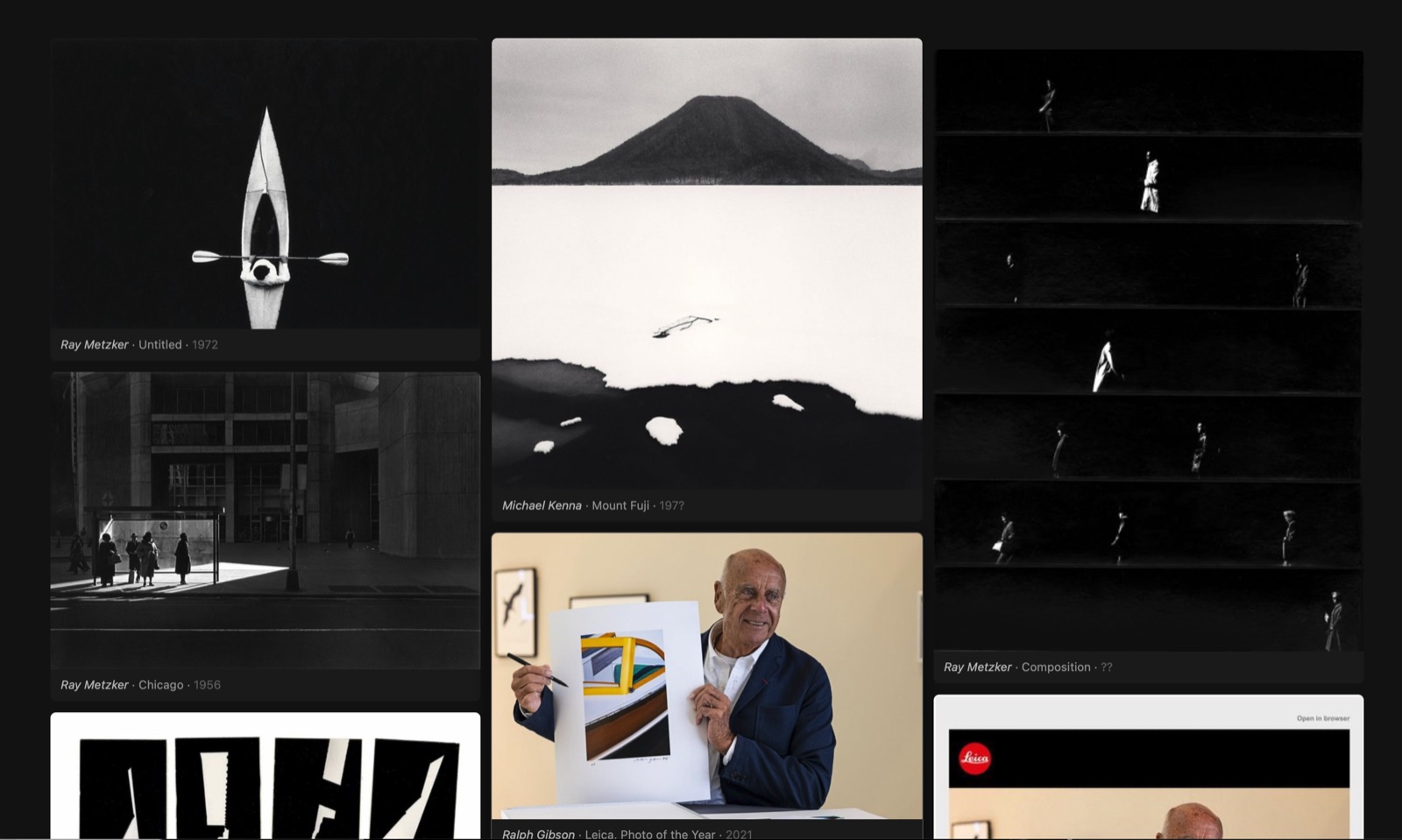
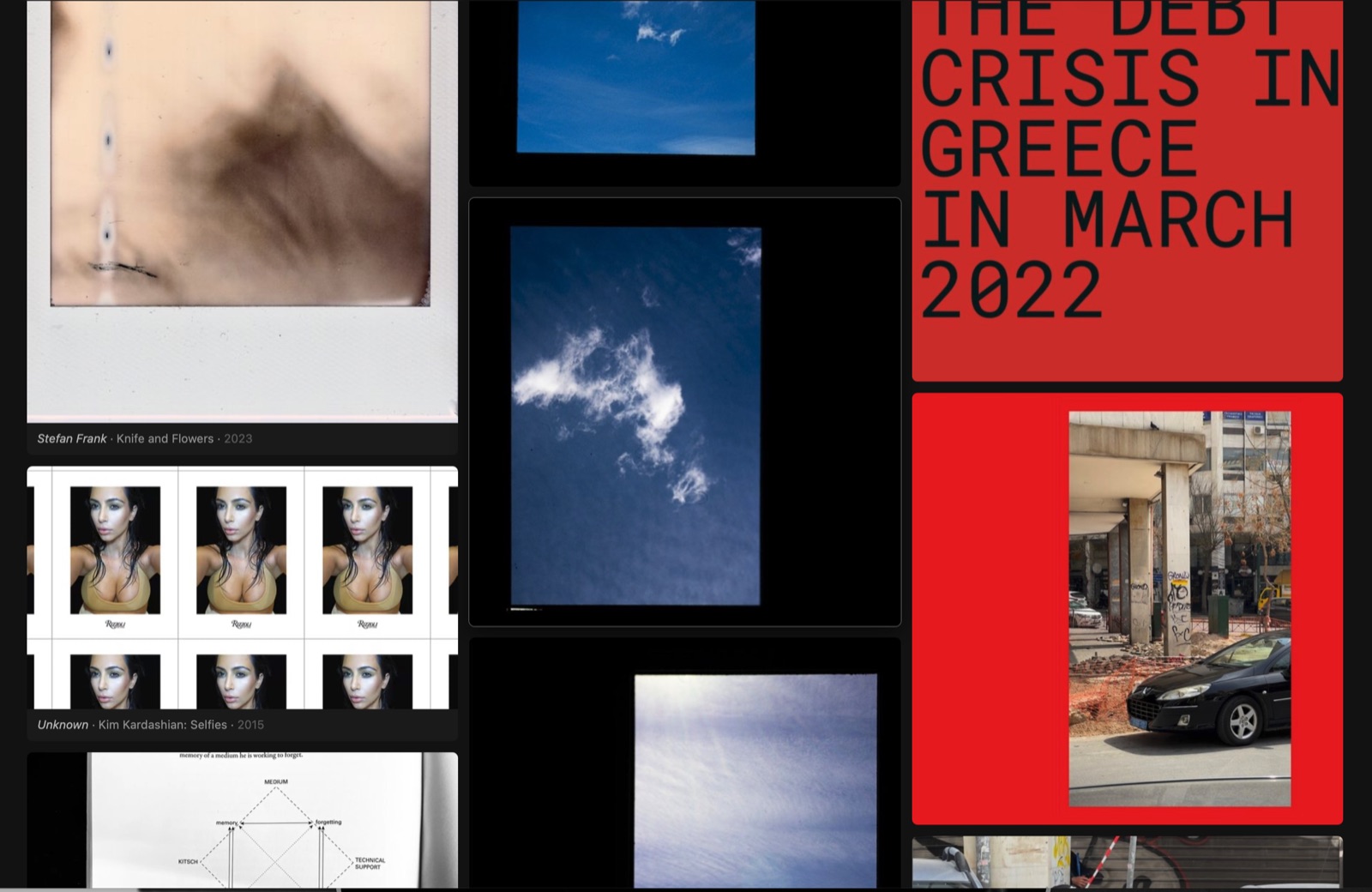
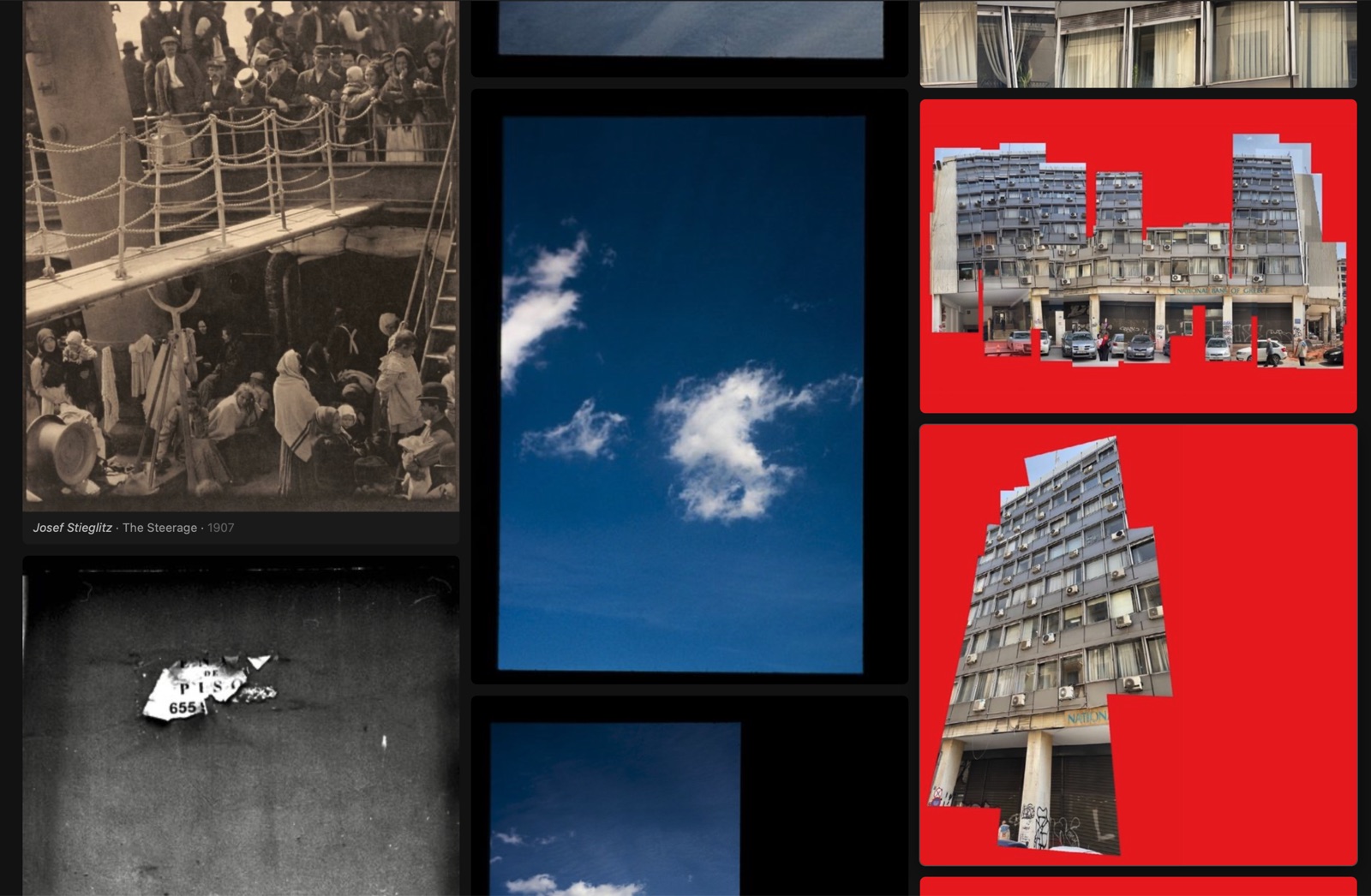
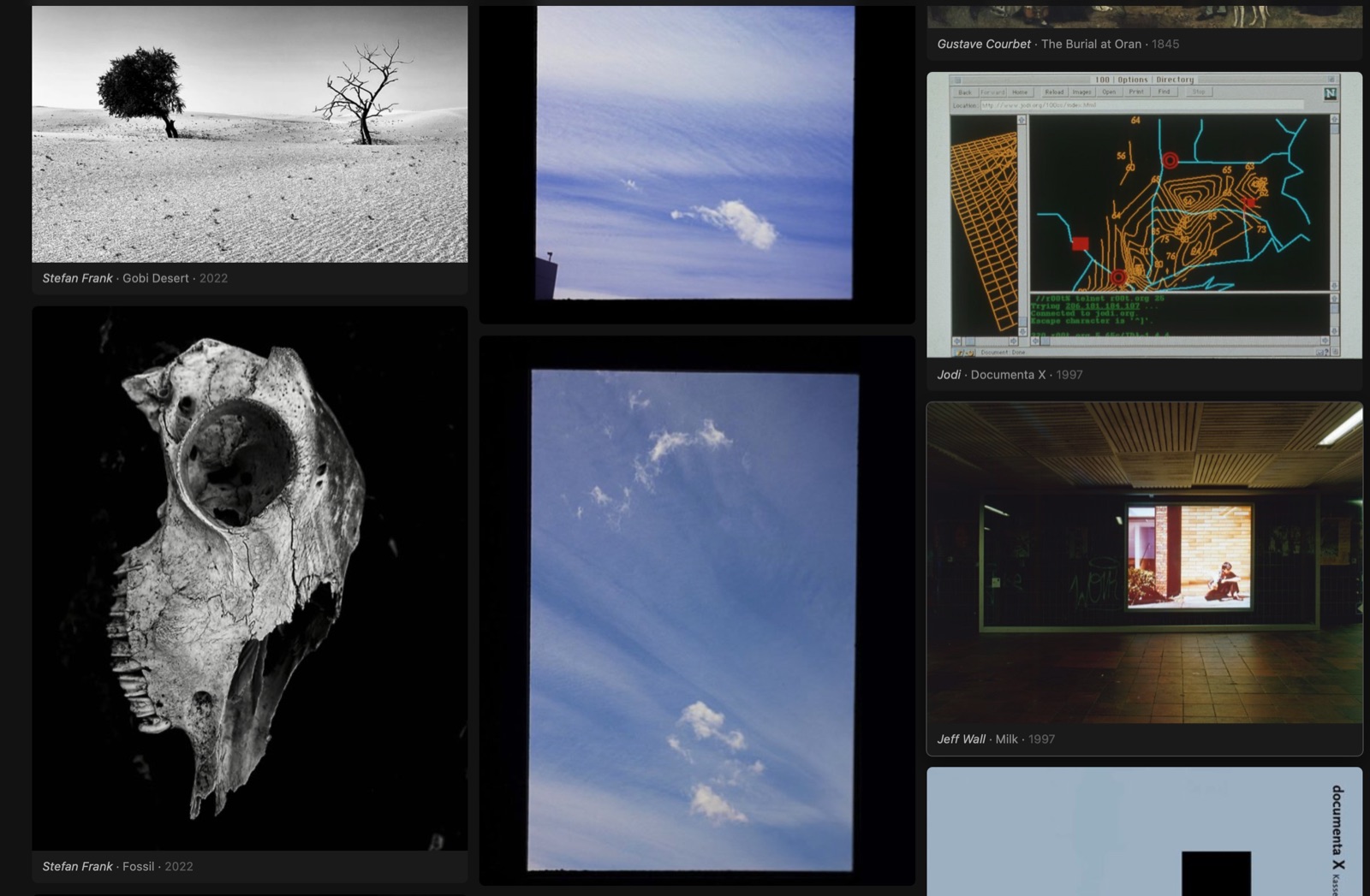
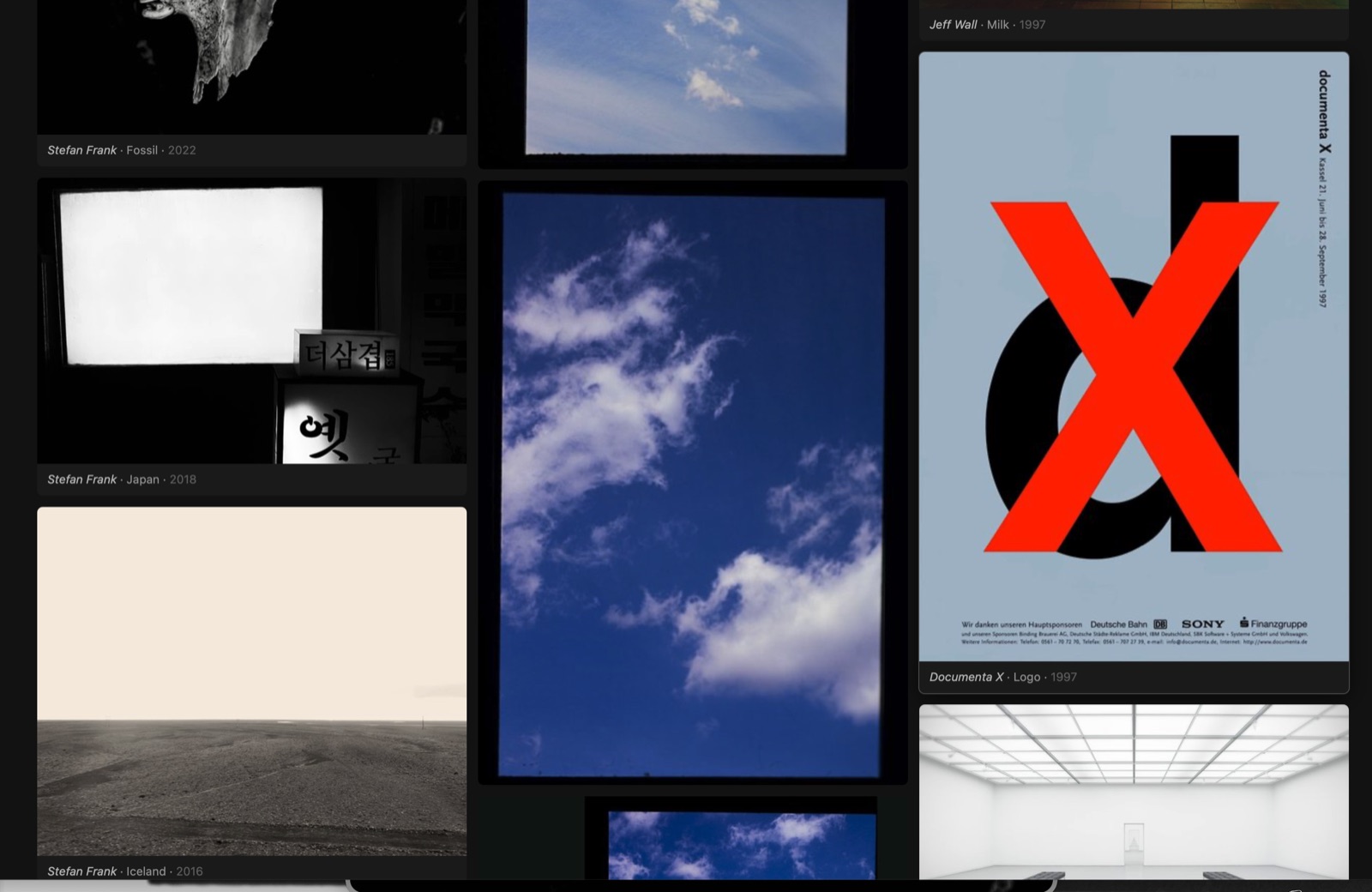
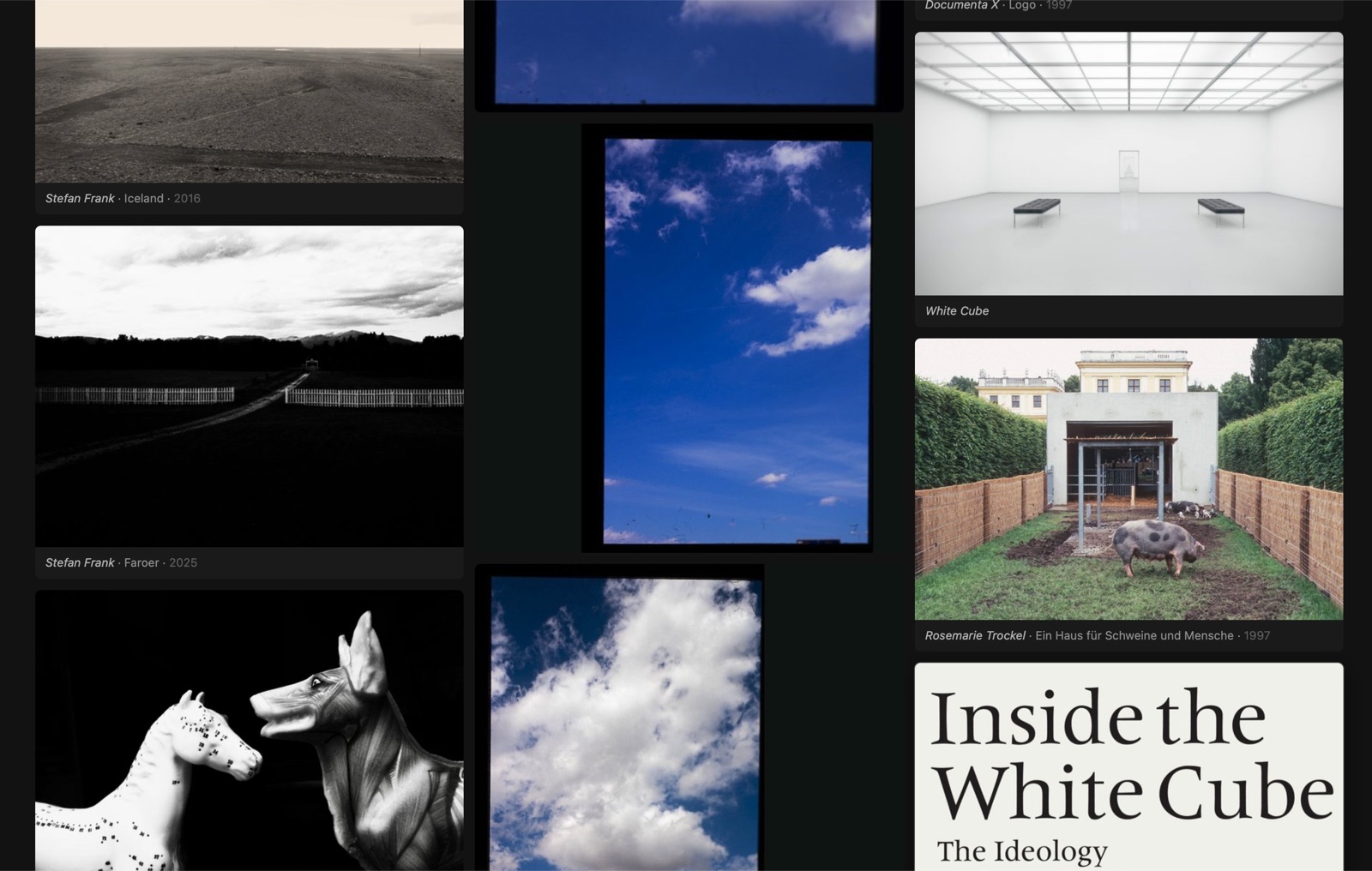
Below: a look behind the scenes at the six live sessions — the reference material (Stieglitz, Friedrich, Woodman, Appelt, Metzker, and others) gathered and discussed session by session over the course of its six deliveries.
Details at StrudelmediaLive →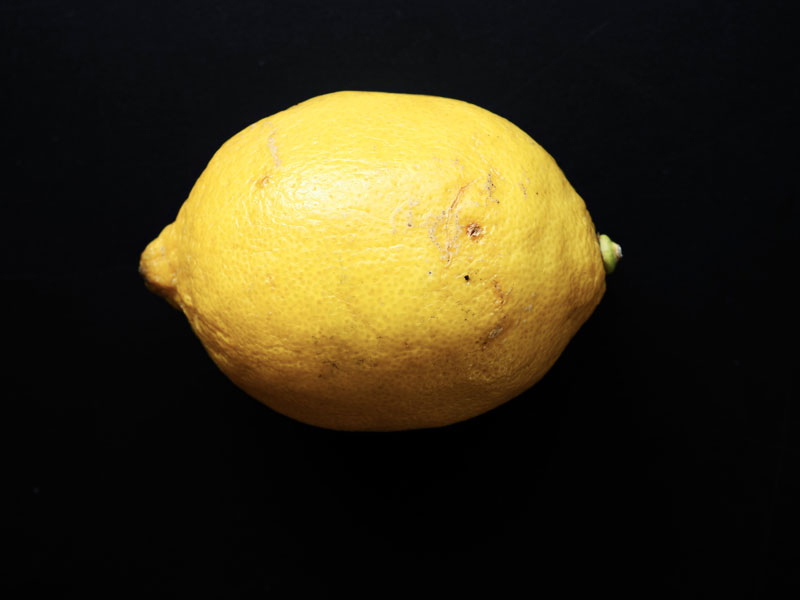
Course · The CityStrudelmediaLive
A Photographic Exploration of the Psychogeography of Your City
The city has always been the stage where the most urgent conflicts of the times are discussed and negotiated. In this class, following a different photographic prompt each week, we will venture out into our cities and develop our own take on what's happening in our immediate surroundings today.
Along the way, we'll take a philosophical/political-theory perspective, represented in part by the Situationist International's 1968 slogan of “beneath the pavement, the beach” (referring to the sand found beneath the cobblestones lifted by students to hurl at the police); Guy Debord's dérive (an experimental behavior with goals including the study of the psychogeography of the city); and Walter Benjamin's acute observer and investigator of the city, the flâneur. Different photographers have responded with wildly differing images to the rapid changes found in modern cities and we'll examine some of those — from the German photographer Michael Schmidt's “Berlin Wall as a state of mind” to Michael Wolf's look at the density of modern Asian cities. Join us as we stroll our own city in search of the “beach beneath the pavement.”
Details at StrudelmediaLive →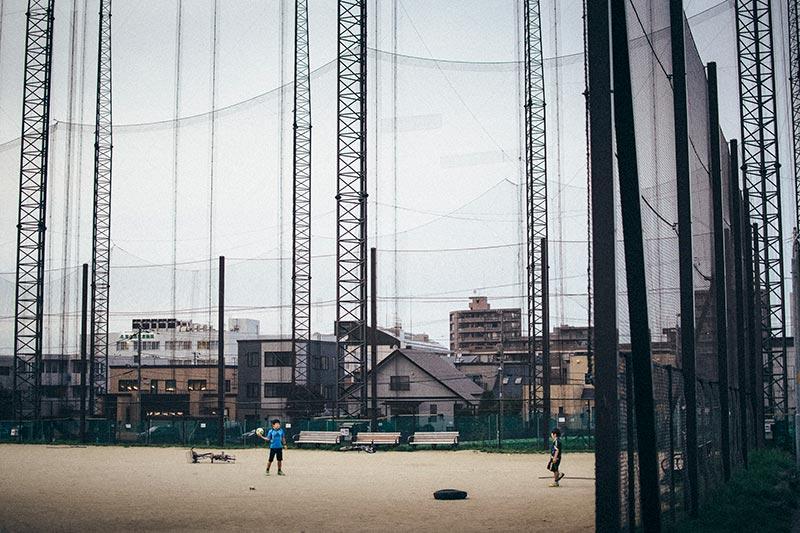
Course · Low LightLow light · StrudelmediaLive
Discovering the Poetry in Nighttime Photography
Nighttime is magical — cityscapes buzz with electricity and in nature, trees and meadows are glazed with moonlight — this scarcity of light creates its own particular drama. Taking pictures at night opens up exciting new ways of exploring our surroundings: the streets of our neighborhood, landscapes and cityscapes, or simply the light in our own home.
Through weekly exercises we will explore seeing and composing in low light to capture the eery and poetic mood that low light has to offer. Technical details like long exposure and low-light camera settings, working with a tripod, and dealing in post with digital grain and noise reduction will be covered. An essential part of this class will be to discuss and analyze artistic and technical approaches by other photographers who have worked extensively in low light. As W. Eugene Smith said: “Available light is any damn light that is available.”
Details at StrudelmediaLive →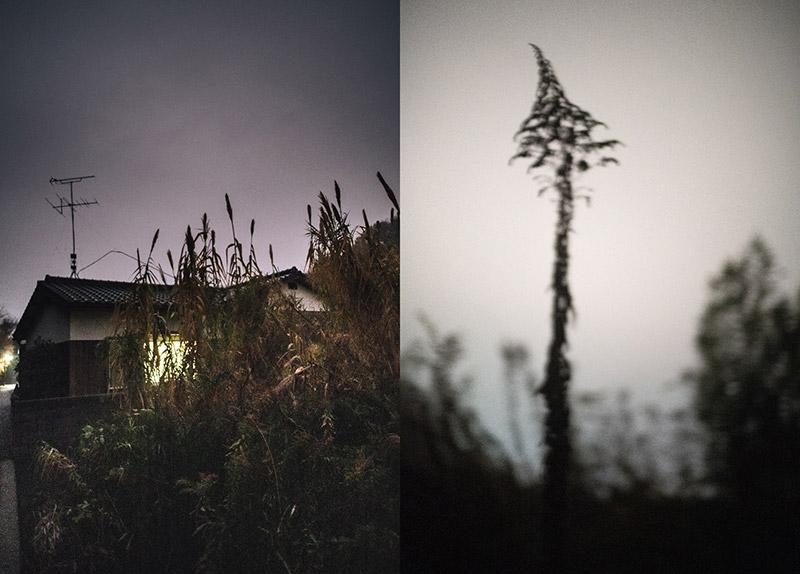
Mini-workshop · AIPart 1 of 3 · StrudelmediaLive
AI and Photography, Part 1: Beginnings
Get a deep introduction to AI as it relates to photography in this three-part mini-workshop — register for all three or just take an individual section.
In Part 1, we'll explore the technical and historical foundations of AI in photography by unraveling the algorithms, tracing its evolution, and learning how it got to where it is today. Through this series you'll gain a better understanding of AI's impact on photography and our creativity, and engage in lively discussion on its role in the future of artistic expression.
Details at StrudelmediaLive →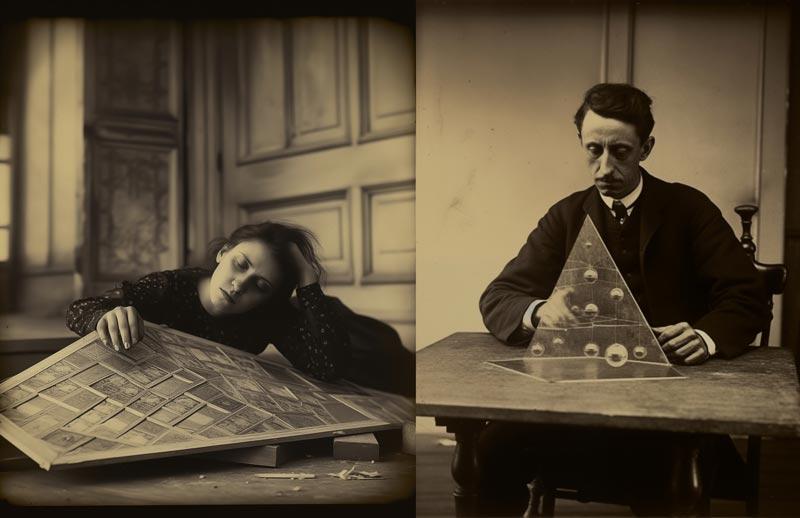
Mini-workshop · AIPart 2 of 3 · StrudelmediaLive
AI and Photography, Part 2: Practical Applications
Part 2 of the three-part mini-workshop focuses on practical applications in Lightroom and Photoshop and emerging platforms including Midjourney. Learn how you can enhance your images and streamline workflows with AI.
Through this series you'll gain a better understanding of AI's impact on photography and our creativity, and engage in lively discussion on its role in the future of artistic expression.
Details at StrudelmediaLive →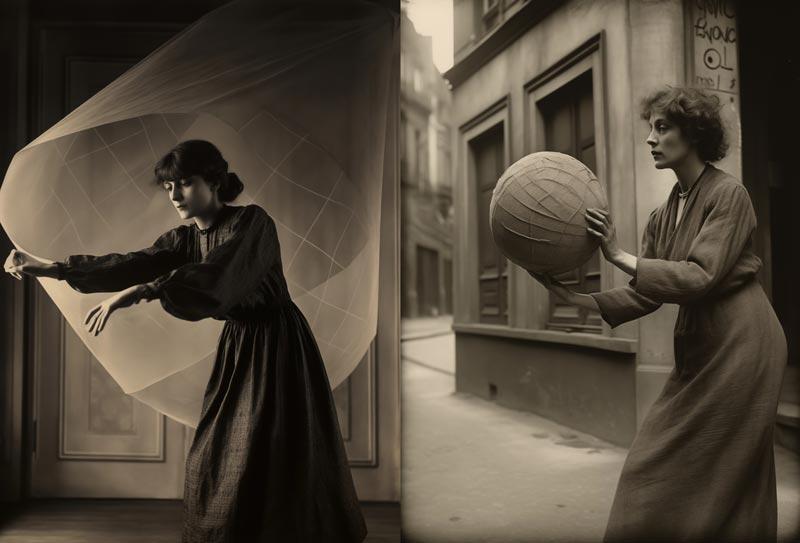
Mini-workshop · AIPart 3 of 3 · StrudelmediaLive
AI and Photography, Part 3: Implications and What Lies Ahead
Part 3 of the three-part mini-workshop looks at the broader implications of AI on the photographic community. We'll delve into ethical considerations, discuss concerns around creative control, and explore how AI is reshaping the industry.
Through this series you'll gain a better understanding of AI's impact on photography and our creativity, and engage in lively discussion on its role in the future of artistic expression.
Details at StrudelmediaLive →